Two approaches to the same goal
A product can look simple when it reaches a customer, yet its quality depends on many decisions made before it was packed. Materials must be suitable, equipment must be set up correctly, and finished parts must meet defined requirements. Quality assurance (QA) and quality control (QC) help manufacturers manage those decisions. The distinction is straightforward: QA focuses on making the process capable of producing acceptable results, while QC checks whether actual results meet the requirements.
Neither approach guarantees a flawless product. A well-planned process can still produce an occasional defect, and an inspection can miss one. Treating QA and QC as complementary gives a manufacturer a better way to reduce problems, recognize them when they occur, and learn from them.
Quality assurance designs against defects
QA covers the planned methods used to make production consistent. It begins with clear requirements: what a product must do, which dimensions matter, what appearance is acceptable, and how those characteristics will be assessed. The requirements then inform material specifications, work instructions, equipment setup, training, maintenance, and methods for handling changes. If an operator has to guess which version of an instruction to use, the process itself creates an opportunity for error.
Consider a reusable plastic container with a lid that must close securely. A QA approach would define the features that affect the fit, choose a suitable material, establish molding settings, and specify how tooling changes are reviewed. It might also call for checks at startup and after an interruption. These steps do not inspect every container; they aim to keep the conditions that produce a good container under control.
QA also includes learning from problems. If lids repeatedly fail to fit, replacing the rejected parts is not enough. The team needs to investigate whether the cause lies in the design, material variation, tooling, setup, or instructions. Changing the process to address a supported cause is a preventive action; simply sorting out bad units is not.
Quality control checks what was made
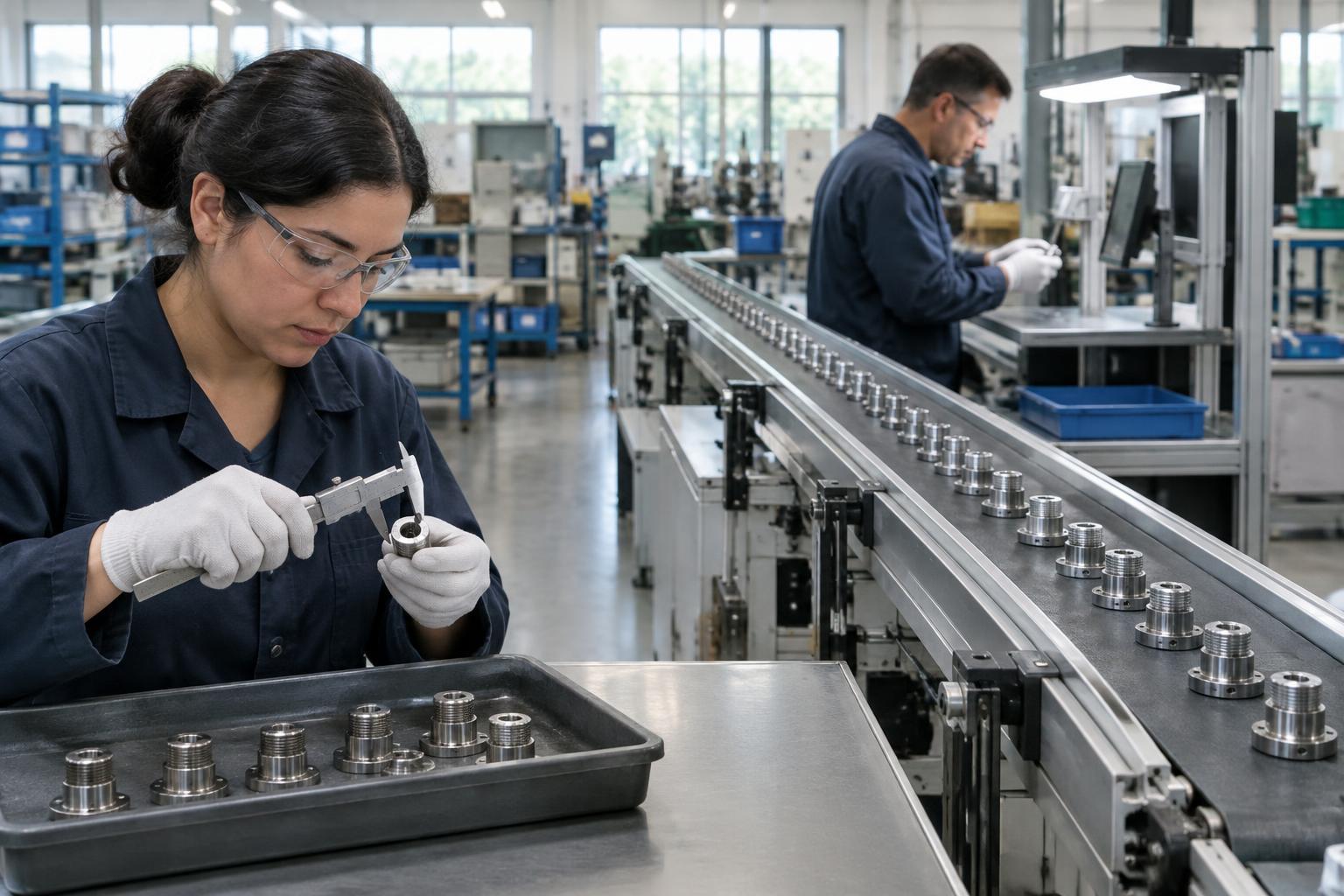
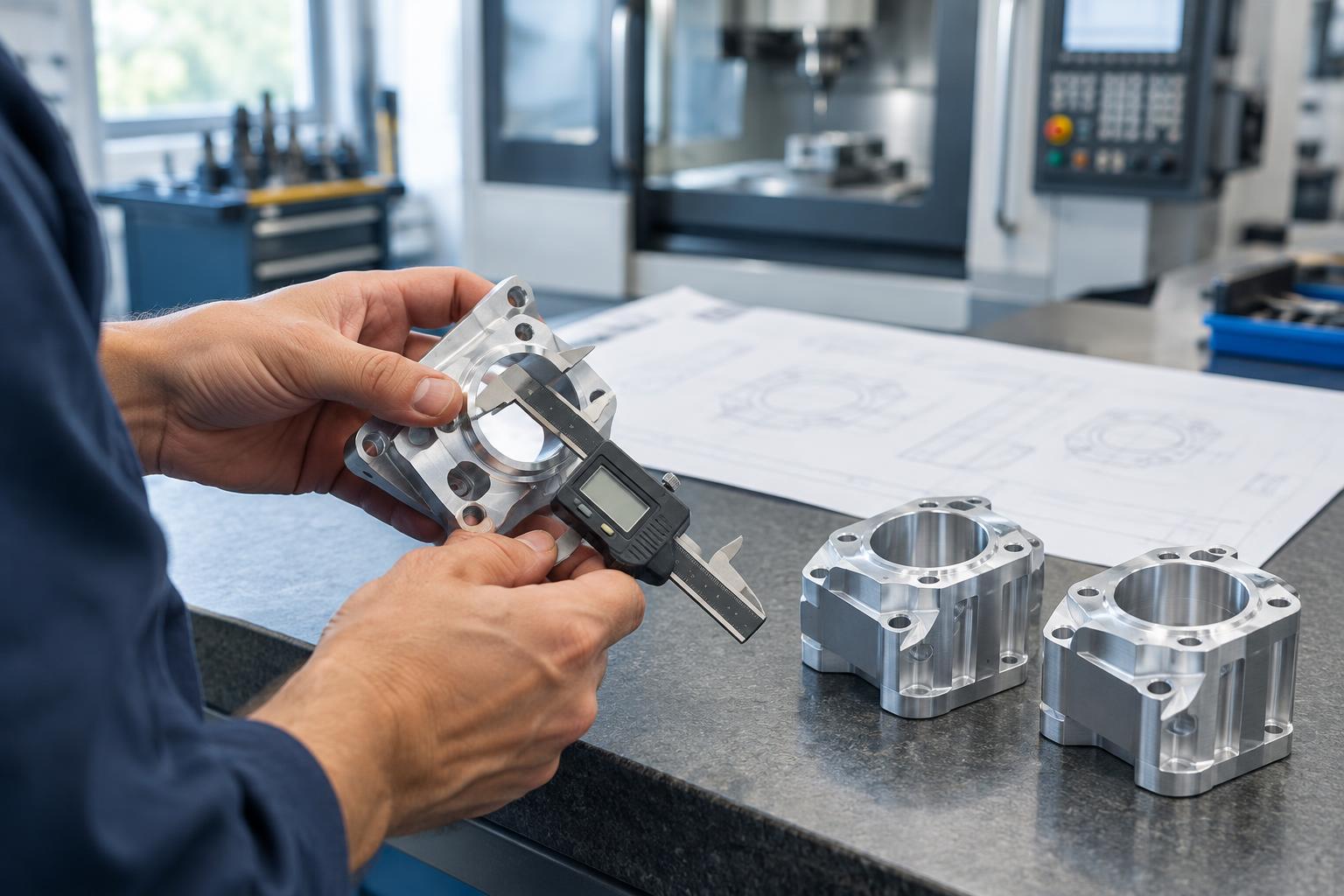
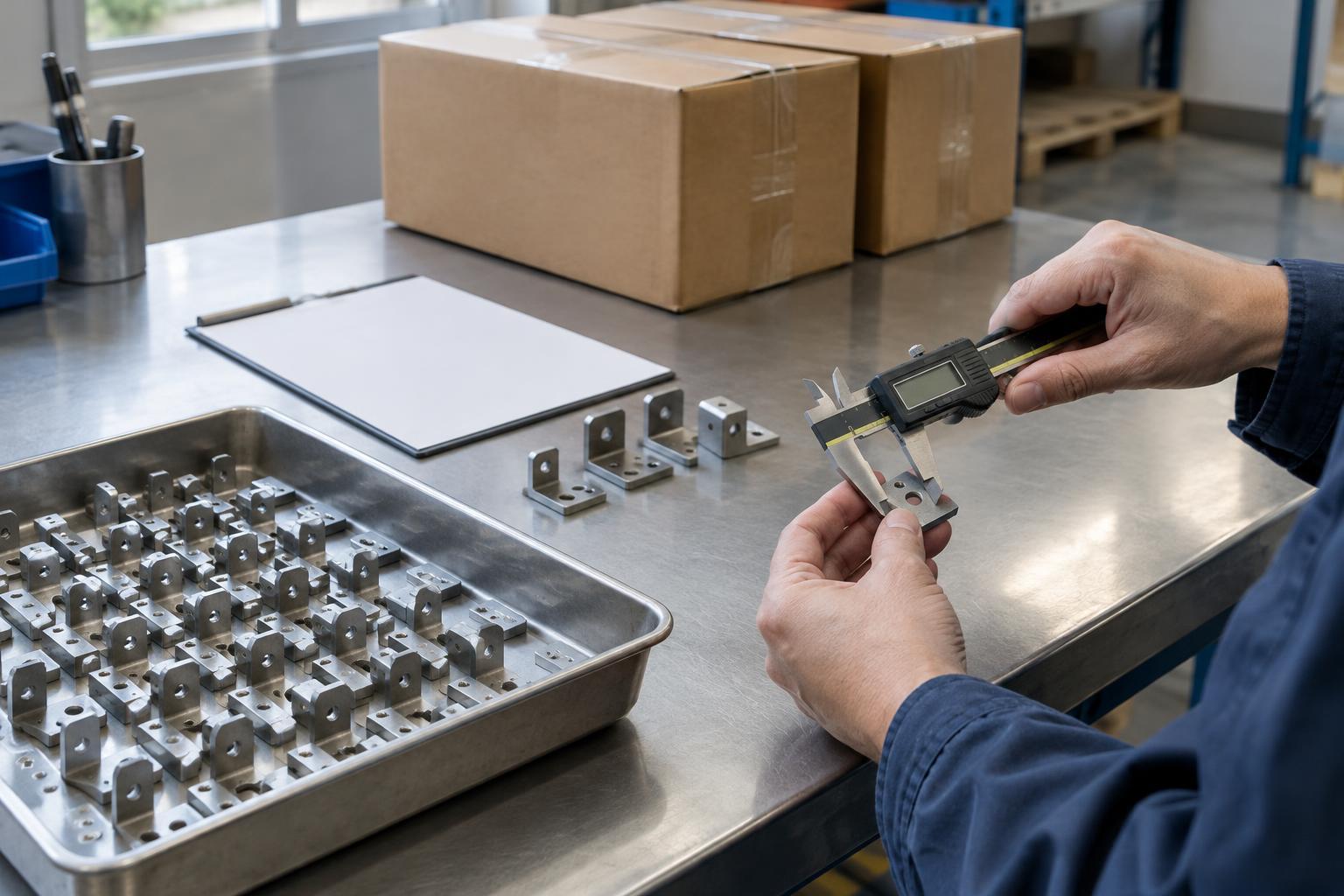
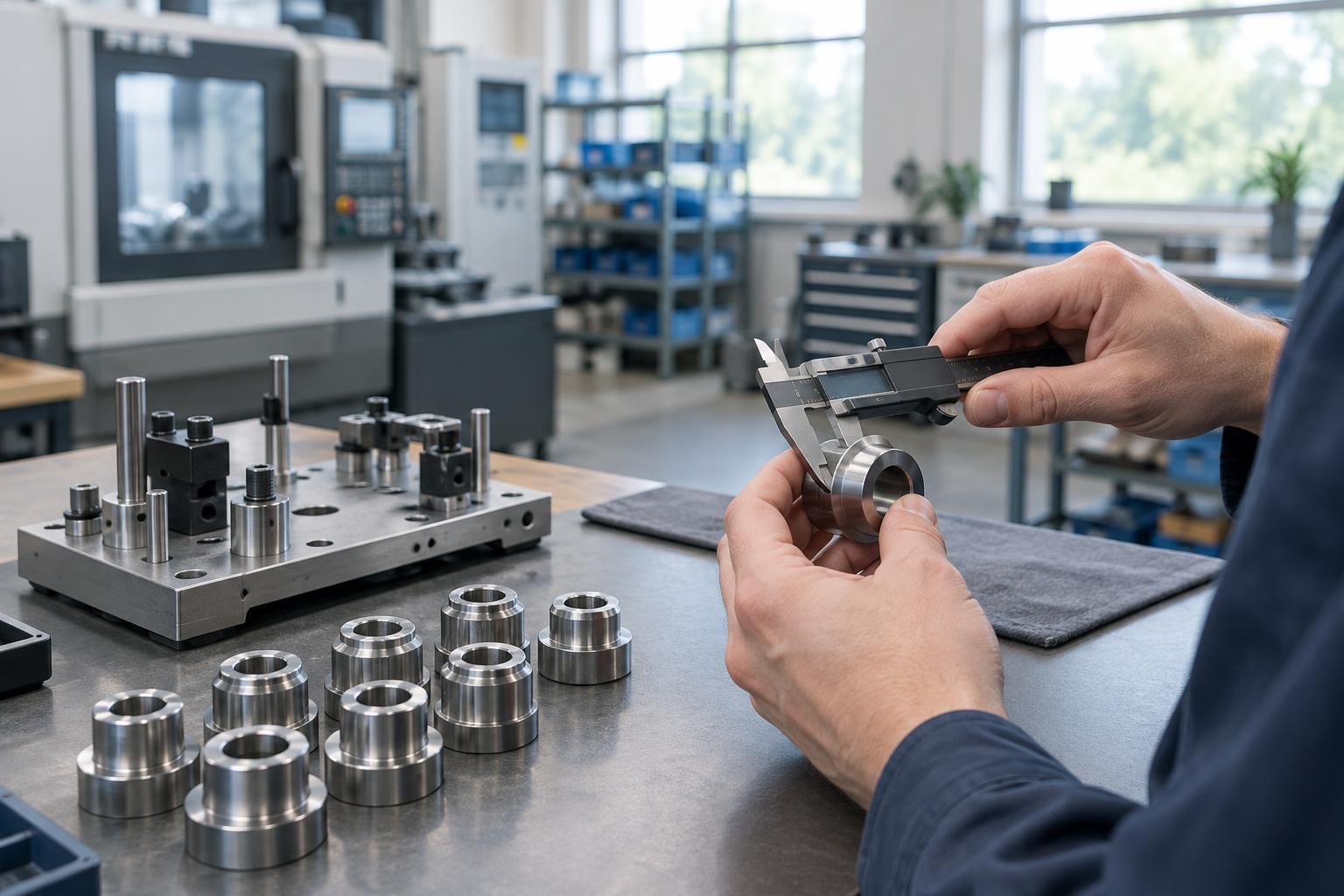
QC is the measurement, inspection, or testing used to determine whether materials, components, or finished products meet specified criteria. Checks can happen when supplies arrive, during production, or before shipment. Depending on the product, an inspector might measure a dimension, test a closure, compare a surface with an approved appearance standard, or confirm that the correct label is on the package.
For the container, QC could include measuring a sample of lids, testing how they close on matching bases, and looking for visible molding defects. The useful question is not merely “Does it seem fine?” but “Does it meet a stated acceptance criterion, using a defined method?” A vague requirement such as “good fit” invites inconsistent judgments. A specified test and an agreed pass condition make findings easier to repeat and act upon.
Inspection has limits. Testing every item may be impractical, and some tests may damage the product. Sampling can provide useful evidence about a batch, but a passing sample does not prove that every untested item is acceptable. If a check finds a defect, QC can identify and separate affected goods; it cannot, on its own, prevent the process from making more.
Where prevention and detection meet
QA and QC are most useful when information flows between them. Suppose an in-process check finds that container lids are becoming harder to close. The immediate QC response may be to stop or hold potentially affected output and check its condition. The QA response is to examine the process: Were molding settings changed? Is a tool wearing? Did an incoming material differ from the approved specification? The answers guide a correction, followed by further checks to see whether it worked.
Records help connect these steps. Knowing which material lot, machine setting, tool, and production batch were involved can narrow an investigation. Records should serve a practical purpose, however: collecting measurements without reviewing trends or acting on failures adds work without necessarily improving quality. A small operation may use simple, consistent records, while a complex product may require more detailed controls.
Choosing the right balance
The balance between QA and QC depends on what can go wrong and how easily a defect can be found. A visible packaging scuff is different from a hidden weak joint that may not reveal itself until the product is used. Where detection is difficult or failure has serious consequences, stronger process controls and carefully chosen tests may be warranted. Where an issue is easy to observe and correct, simpler controls may be sufficient.
A practical starting point is to define what matters to the user, translate those needs into checkable requirements, and identify the production steps most likely to affect them. Build reliable methods around those steps, then place checks where they can catch deviations early. QA helps make good output more likely; QC supplies evidence about what was produced. Together, they turn quality from a final inspection task into an ongoing part of making the product.