What incoming inspection is for
A production line depends on what arrives at its door. A housing that is the wrong size may not fit its mating part; a damaged roll of film may interrupt packaging; a mislabeled box of fasteners may introduce the wrong component into an assembly. Incoming inspection is the set of checks performed when parts or materials arrive, before they are released for use.
Its purpose is not to prove that every item in a delivery is perfect. It is to find meaningful problems early, confirm that a shipment matches the order and agreed requirements, and make uncertain material visible before it enters production. The checks should reflect what could go wrong and what the team needs to know. A critical fit dimension may deserve measurement, while a common packaging material may need a condition and identity check.
Start with a clear specification
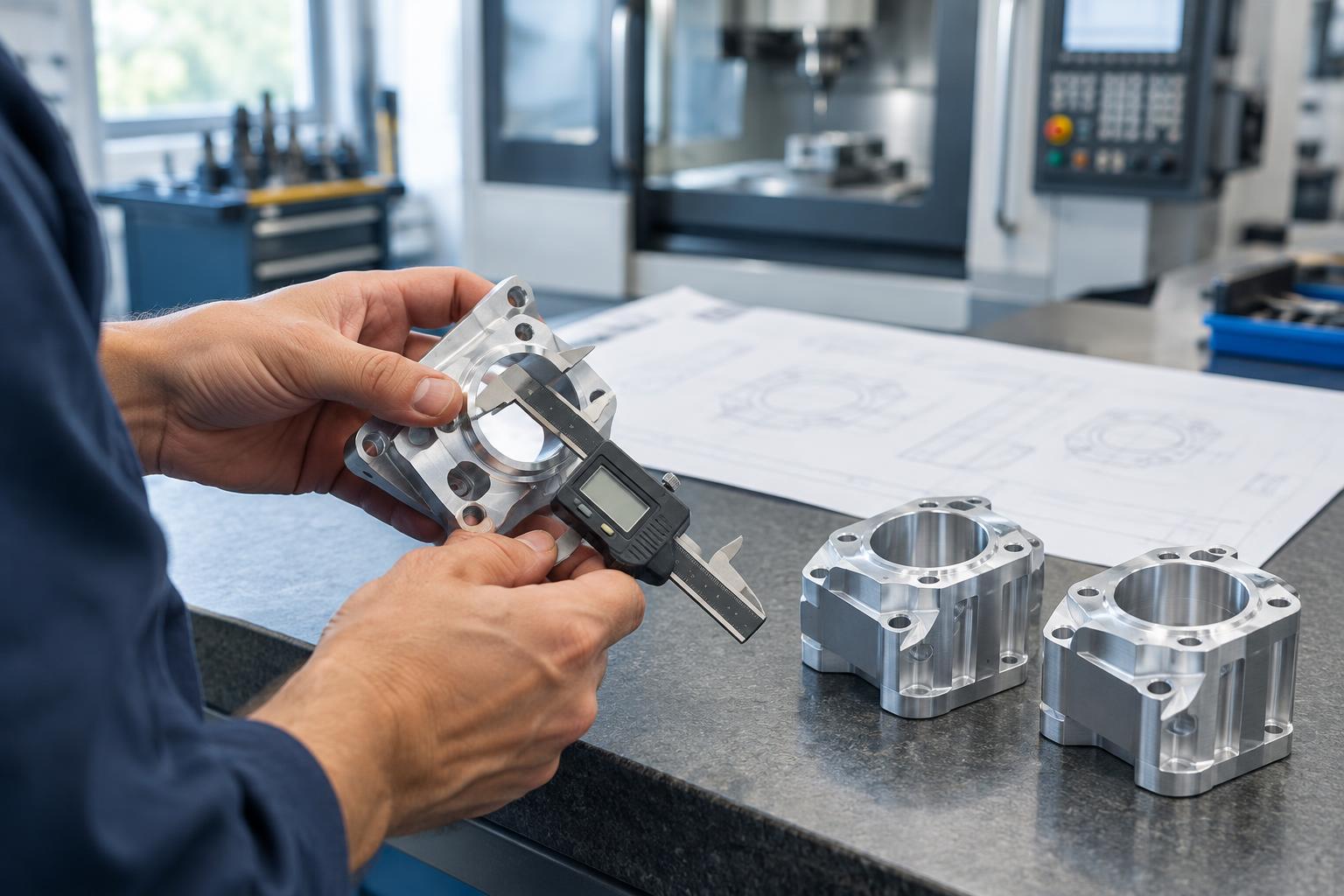
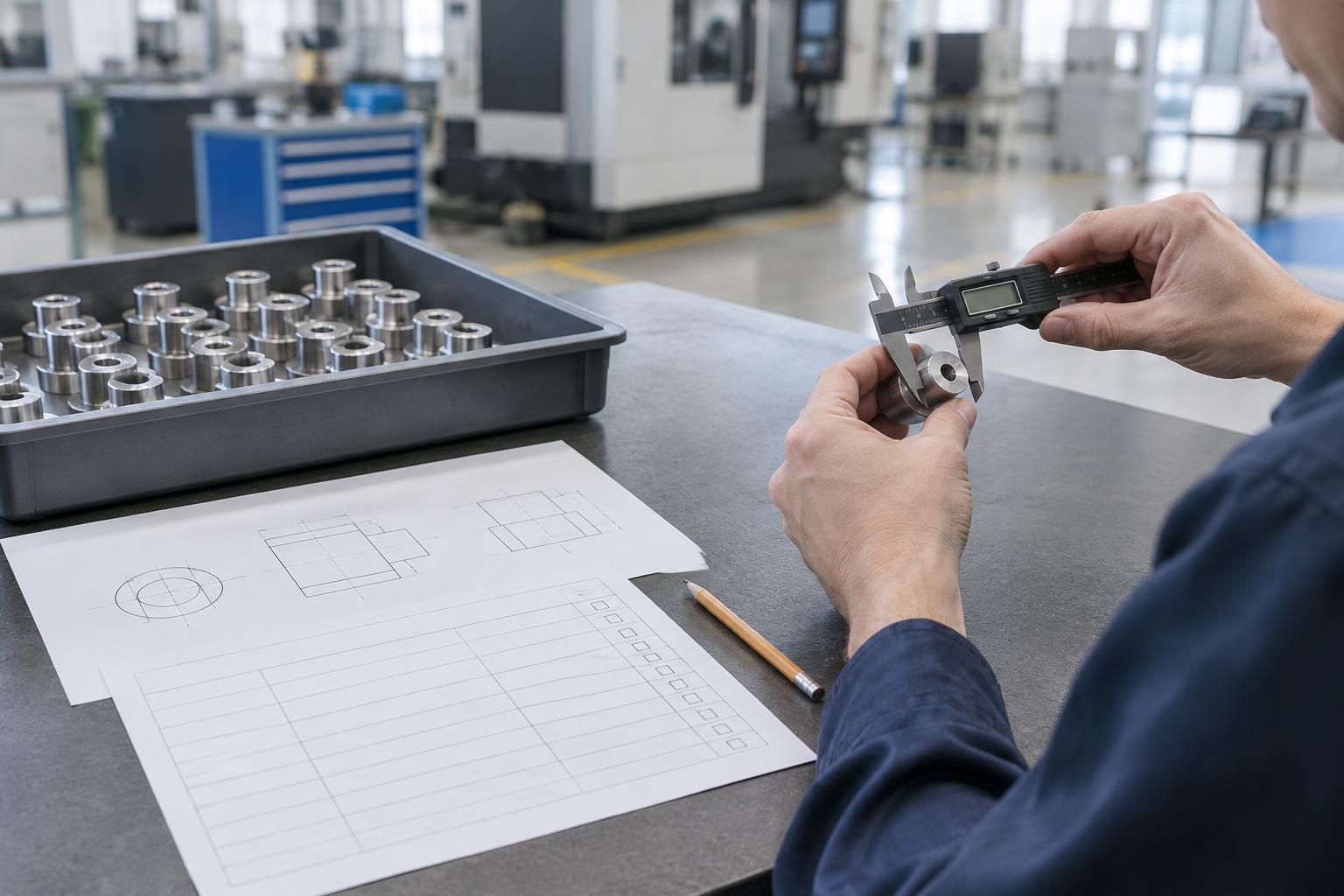
An inspector needs a reference, not just a general impression of what looks right. Useful references can include a drawing, an approved sample, a material grade, a purchase order or a written description of acceptable appearance. The reference should identify the correct part and revision, the features to check, and any acceptable limits. Where requirements are unclear, it is better to resolve the ambiguity than to ask an inspector to guess.
Requirements should be stated in ways that can be checked consistently. “No visible scratches on the outer face” is more actionable if the team also defines which face is visible and what lighting or viewing conditions to use. For a dimension, the specification needs units and tolerances. For a material supplied with documentation, the team should decide which document details must match the delivery and whether any physical checks are still needed.
Match the checks to the shipment and the risk
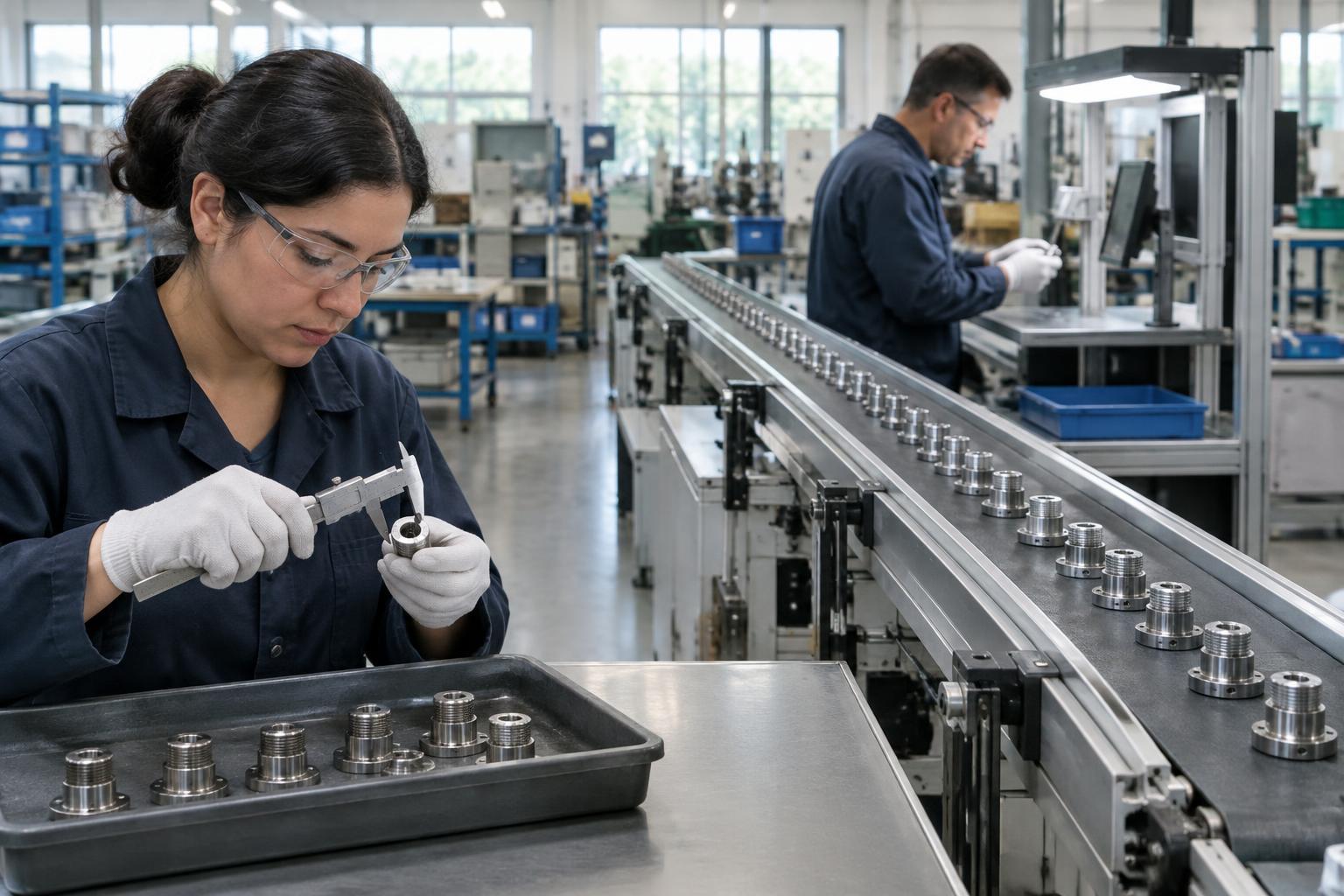
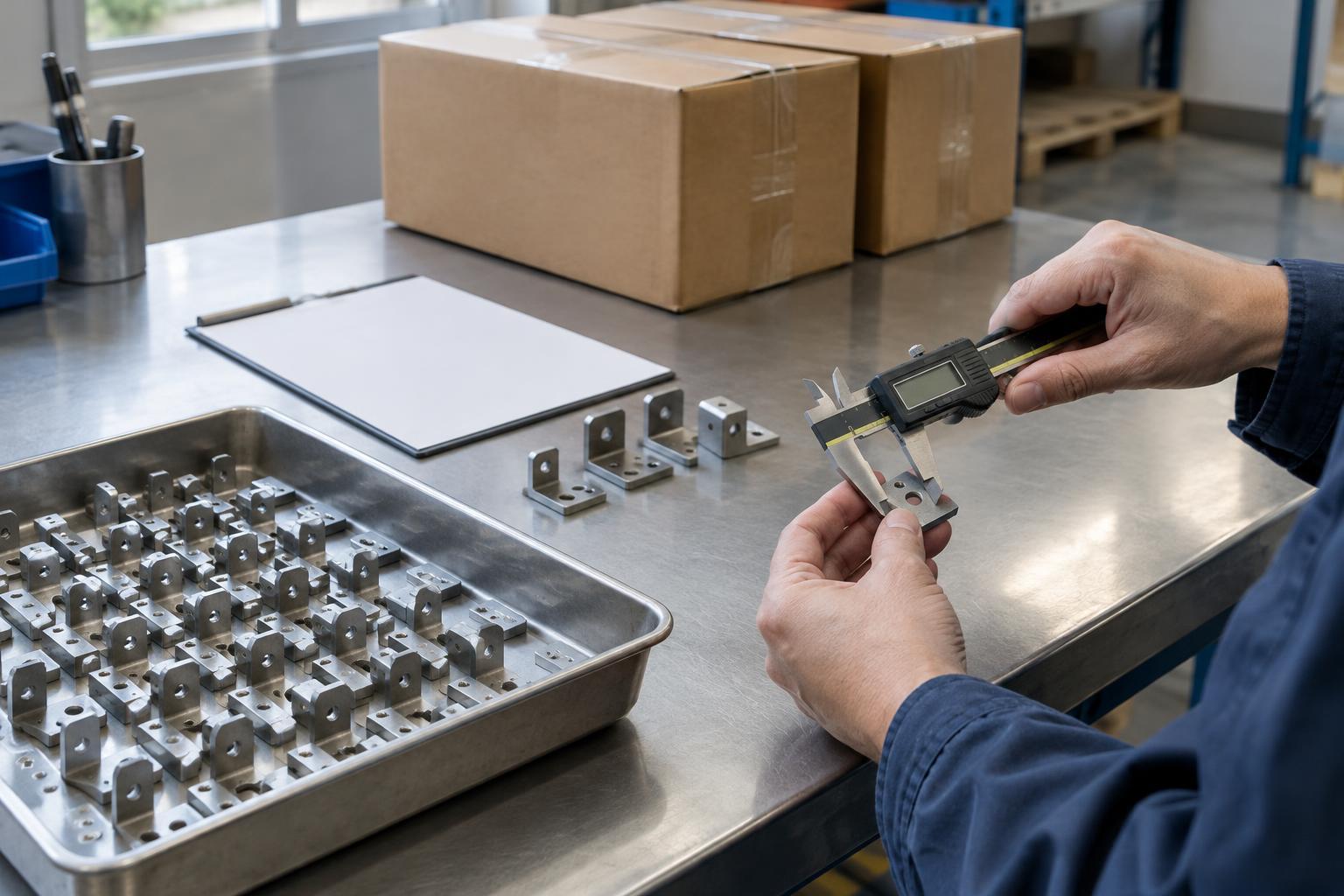
A basic receiving sequence begins by checking the delivery against the order: part number, description, quantity, supplier identification and, where applicable, revision or batch information. The next step is to look for signs of transit damage or poor storage, such as crushed cartons, moisture exposure or broken protective wrapping. Inspectors can then examine selected parts or materials for specified features using suitable measuring tools or simple functional checks.
Checking every item may be practical for a small delivery, but not for a large one. Sampling can reduce inspection effort, although it cannot guarantee that an unchecked item is acceptable. The appropriate approach depends on the consequences of a defect, the consistency of earlier deliveries and how readily the feature can be checked later. If a supplier changes a process or a part has caused repeated trouble, a team may temporarily increase scrutiny. Inspection also needs a defined lot: results from one batch should not automatically be treated as evidence about another.
Keep results traceable and decisions separate
A useful inspection record connects the result to the delivery it came from. It may note the supplier, part number and revision, lot or batch identifier, received quantity, checks performed, sample size, measurements or observations, inspector and disposition. This does not have to be elaborate, but it should be detailed enough for someone else to understand what was checked and which material the decision covers.
Material that passes can be identified as released for production. Material with a suspected problem should be clearly identified and kept from routine use while it is reviewed. Depending on the issue, the eventual decision might be to return it, sort it, rework it under an approved process or accept it through an authorized exception. An inspector’s observation and a decision to use nonconforming material are different things; keeping them separate prevents an informal shortcut from becoming an unrecorded change to requirements.
Use findings to improve the process
Incoming inspection is most useful when its findings lead to action beyond the receiving area. Repeated defects can point to an unclear specification, a supplier process problem, inadequate transport protection or a mismatch between how a part is made and how it will be used. Sharing specific observations with purchasing, engineering, production and the supplier gives those groups a better starting point than a simple “failed inspection” notice.
Checks should also be reviewed over time. If a test rarely finds a problem and a later production step reliably reveals the same issue, the team may reconsider where to spend inspection effort. If defects escape into production, the incoming checks or their limits may need strengthening. The aim is a workable control point: one that catches consequential problems early without treating paperwork or inspection volume as a substitute for clear requirements and reliable supply.