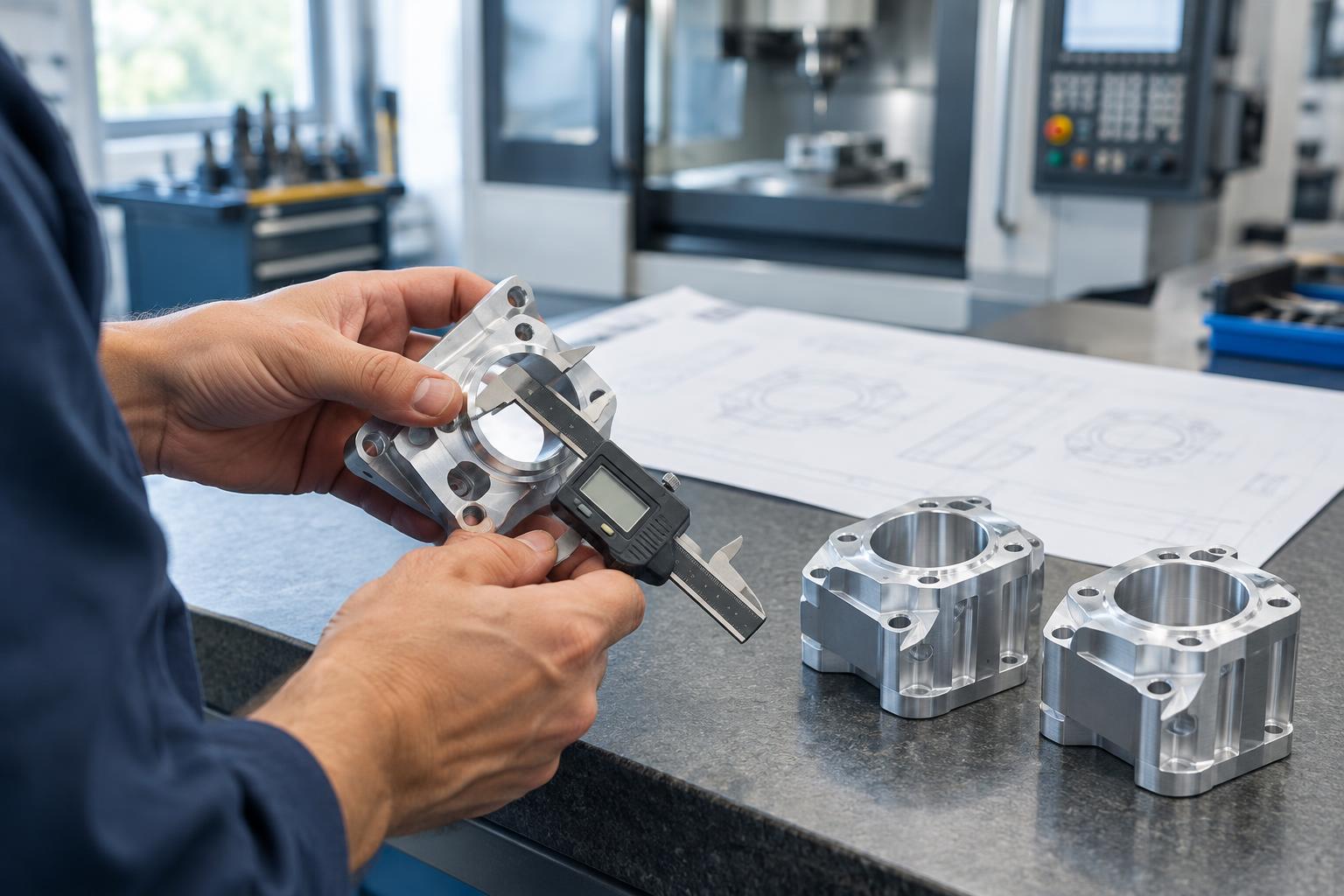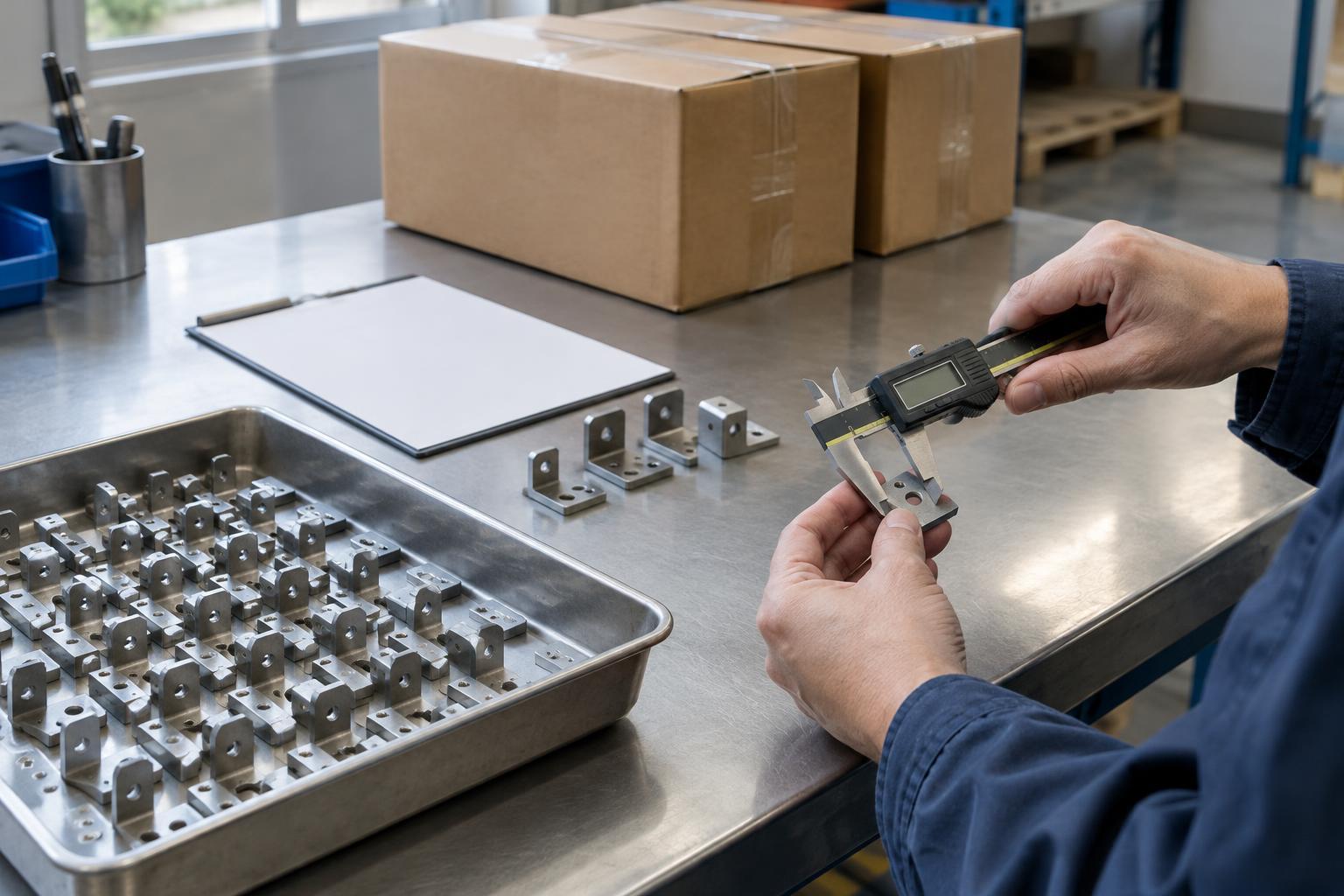
Two approaches to a different question
Acceptance sampling checks a selected number of units from a production lot, then uses the results to decide whether to accept or reject that lot under a defined plan. The decision concerns the lot, not the status of every individual unit in it. Even an accepted lot may contain defects, while a rejected lot may contain many good units.
In 100% inspection, every unit passes through a specified check. The aim is usually to identify units that fail a requirement so they can be separated, repaired or reviewed. It can provide unit-level results for the characteristics actually inspected. Neither approach replaces a capable production process: inspection finds problems after they occur, while process controls aim to prevent them.
When acceptance sampling makes sense
Sampling is useful when checking every unit would take too much time, cost too much or consume the product. A test that breaks a package seal, cuts a material sample or runs a component to failure cannot be applied to every saleable unit. Sampling can also be a practical way to assess incoming materials or finished lots when the supplier’s process is reasonably stable and the cost of an occasional defective unit is manageable.
A workable sampling plan defines the lot, how units will be selected, what counts as a defect and how many findings trigger rejection. Selection matters: samples taken only from the top of a pallet or one part of a production run may miss problems elsewhere. The plan should also distinguish defects by consequence. A cosmetic mark and a failure that makes a product unsafe should not automatically be judged by the same acceptance rule.
Sampling trades inspection effort for uncertainty. A small sample can miss a defect present in the lot, and a lot with generally good quality can still be rejected because of the units drawn. Those possibilities should be understood before adopting a plan, rather than treating an accepted lot as proof that all its units are sound.
When inspecting every unit is worth the effort
100% inspection is more attractive when a defect has serious consequences, when each unit can be checked quickly without damage, or when a known process problem makes defects likely. For example, an automated check may confirm that every package has a readable code, or a functional test may verify that each assembled device switches on. Unit-by-unit checks can also help contain a specific fault while its cause is being investigated.
Inspecting everything does not mean catching everything. A test can only reveal faults it is designed to detect, and inspectors or automated systems can make errors. Repeated handling may even damage otherwise good units. Before relying on a full inspection, consider whether the check can reliably find the defect, whether results are recorded clearly and what happens to units that fail. If the answer is simply “inspect harder,” the underlying process may still need improvement.
Match the method to the defect and the process
The choice need not be all-or-nothing. A manufacturer might inspect every unit for a critical, easy-to-detect assembly error while sampling for appearance, dimensions or destructive performance tests. It might also increase checks during a new production run, after a tooling change or following an unusual cluster of failures, then reconsider the level of inspection once the process is better understood.
Start by asking what could go wrong, how a check would reveal it and what a missed defect would mean for the user. Then consider test time, product damage, lot size and the ability to trace results back to a batch or production period. Sampling works best when lots are clearly defined and selected units represent them fairly. Full inspection works best when the check is repeatable and can separate failing units without introducing new problems.
Use inspection results to improve production
Whichever approach is used, the results should feed back into the process. Record defect types rather than only pass-or-fail totals, and look for patterns tied to a machine, shift, material batch or assembly step. A rising number of rejections may signal that controls need attention, even if inspection prevents the affected units from shipping.
Acceptance sampling provides an efficient decision about a lot; 100% inspection provides a check on each unit for selected characteristics. The strongest quality plan uses either method for a clear purpose, acknowledges what it can miss and treats recurring defects as a reason to fix the process—not merely to add more inspection.