Start with the product, not the cushioning
A fragile product needs more than a soft material around it. Good cushioning limits movement, absorbs impacts and keeps vulnerable areas away from the outer box. Before choosing a material, identify what could break: a glass edge, a ceramic handle, a screen, a precision fitting or a surface that scratches easily. Two products of similar size may need very different protection if one can tolerate pressure on its sides and the other cannot.
Weight, shape and orientation matter too. A heavy item can compress a soft pad until little protection remains. A narrow projection can punch through cushioning, while a broad, sturdy surface may be a useful place to support the product. Check whether the item has parts that can move against each other. If so, those parts may need to be secured separately rather than relying on a thicker outer layer.
Match protection to the journey
Think through the package’s likely handling path. A product sent as an individual parcel may be dropped, tipped and sorted alongside packages of different sizes. Products shipped together on a pallet face different pressures, including stacking loads and vibration during transport. Cushioning should suit those conditions without assuming that a “fragile” label will change how the package is handled.
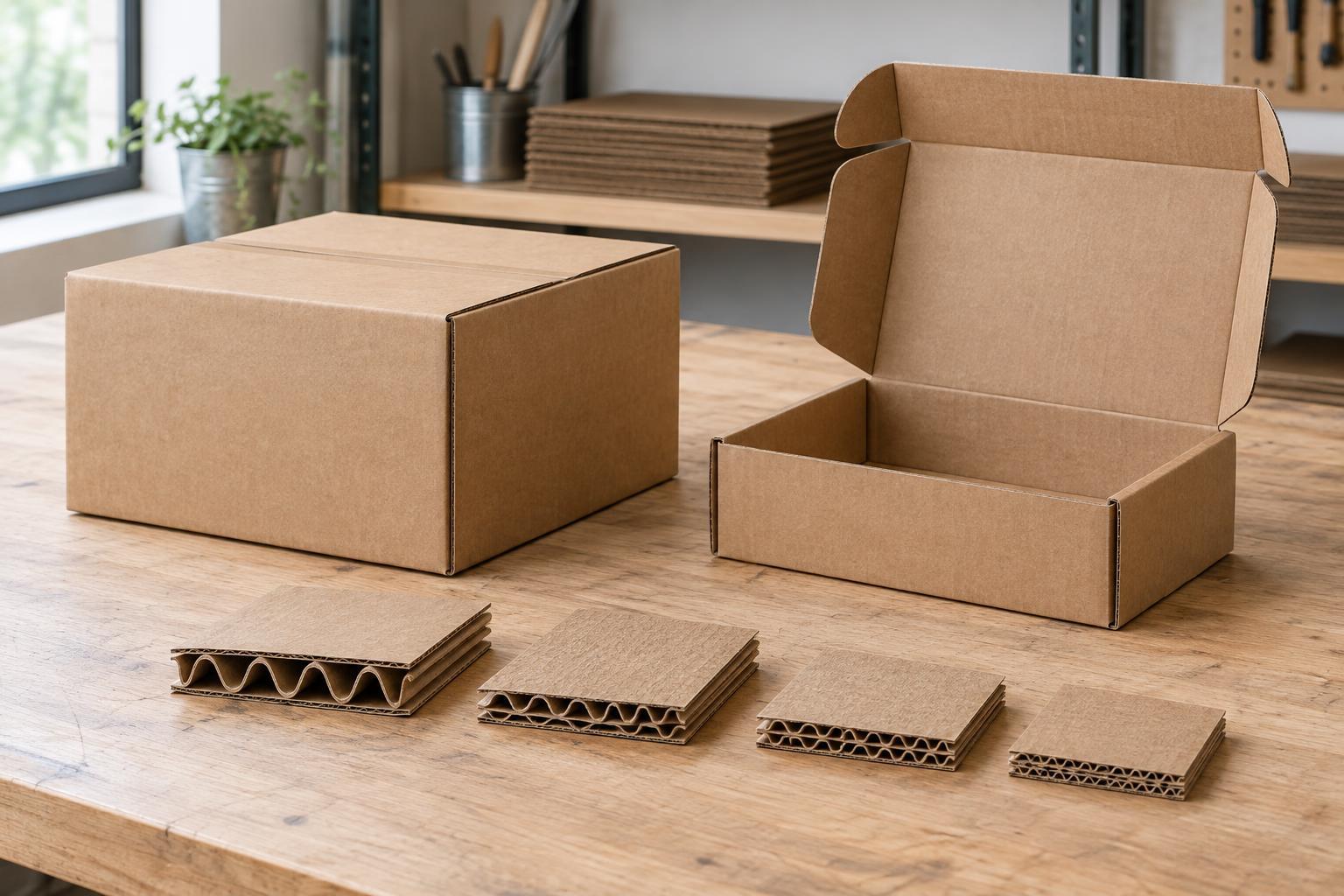
The outer carton and the cushioning work as a system. The carton provides a protective boundary; the cushioning creates space between that boundary and the product. Too little space may let an impact reach the item directly. Too much unrestrained space can let the item gather momentum inside the box. The goal is a fit that holds the product in place while leaving enough working space for the chosen cushioning to deform when needed.
Compare materials by what they do
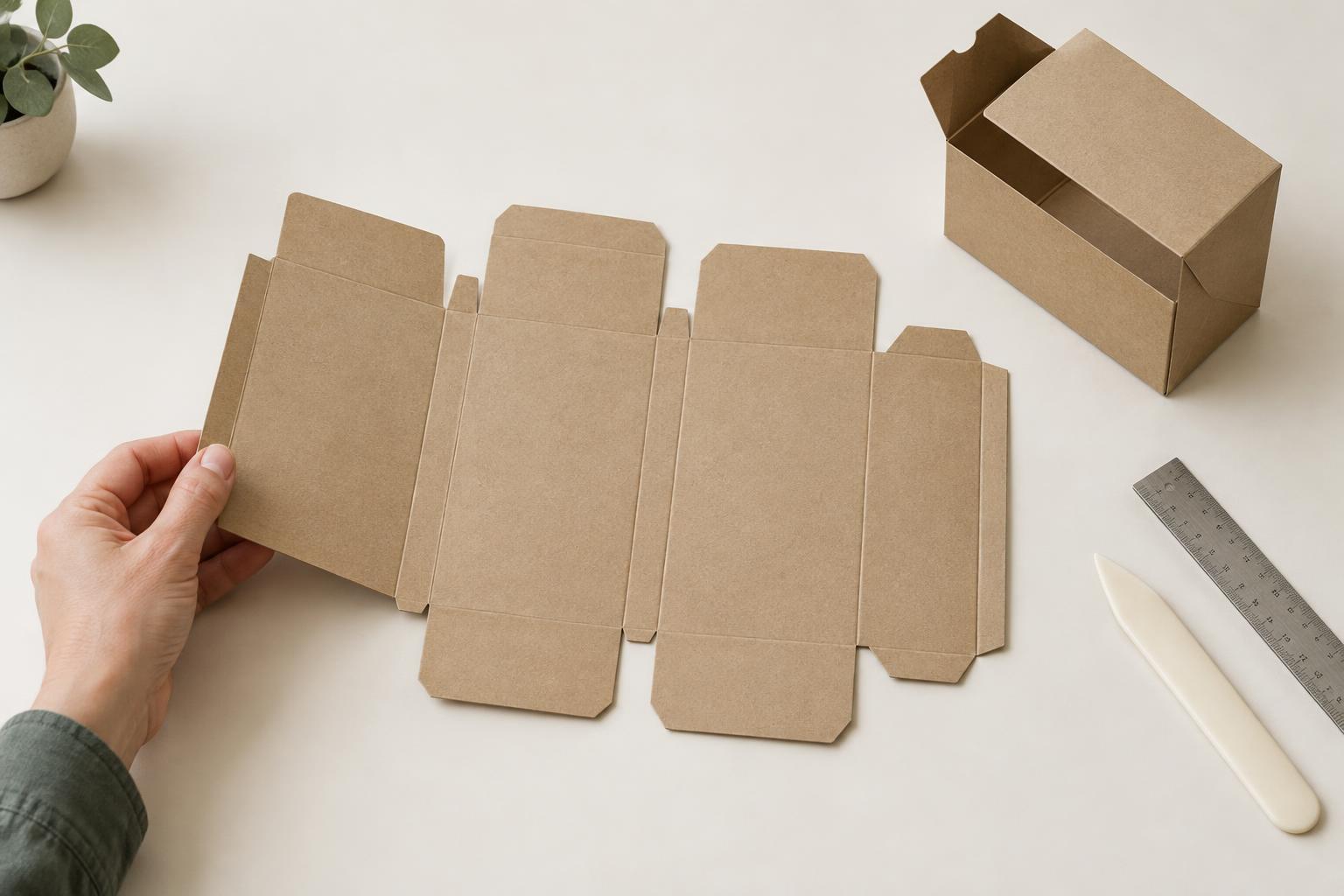
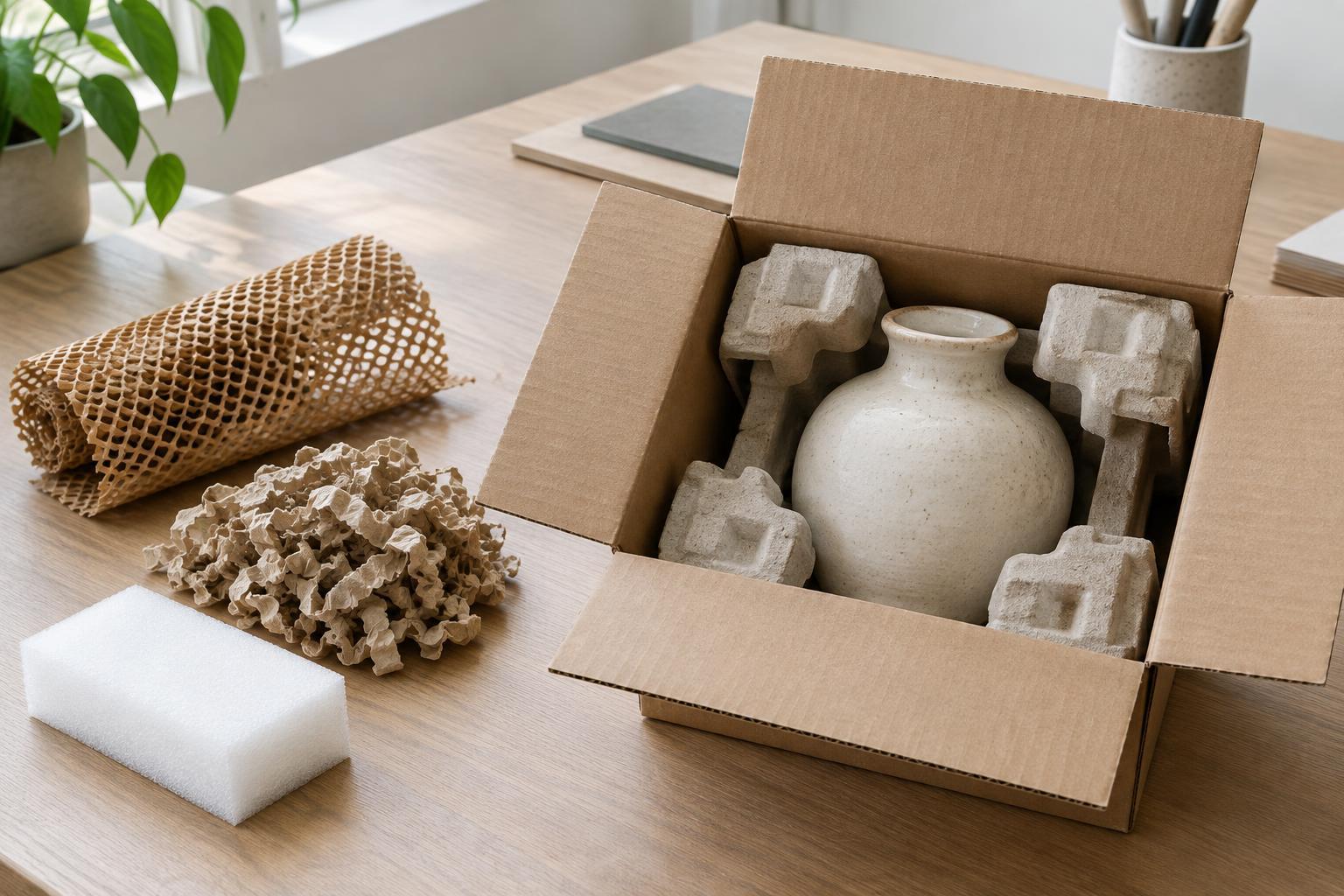
Molded pulp and folded paperboard inserts can locate a product consistently and keep specific surfaces away from the carton. They are useful when the insert can be shaped around sturdy contact points, though thin features may need reinforcement. Crumpled or honeycomb paper can fill gaps and wrap surfaces, but its performance depends heavily on how much is used and how firmly it is packed. Loose fill can occupy space, yet it may shift and leave a dense or irregular item poorly supported.
Foam can be cut or molded to support complex shapes and provide controlled cushioning, but the right foam depends on the item’s weight and the expected impacts. A foam that feels soft by hand is not automatically protective under load. Air-filled cushions are lightweight and can help fill voids, but they may be a poor choice where a sharp edge could puncture them or a heavy item could displace them. Protective films or sleeves may prevent scuffs without providing meaningful impact protection.
Material choice also affects storage, packing speed and disposal. A custom insert may reduce variation between packers but require a dedicated part for each product size. A flexible material may serve several products but demand clearer packing instructions. If recyclability or reduced material use is a goal, consider the full package, including coatings, adhesives and mixed materials, rather than judging the cushioning alone.
Design the fit and the packing process
Place cushioning where it can support strong areas and separate weak ones from the carton. Corners and edges often need attention because they may encounter concentrated impacts. Avoid making a delicate feature carry the load simply because it protrudes furthest. If the product has a preferred orientation, the insert should make that orientation easy to recognize and difficult to reverse by mistake.
A package that works only when packed perfectly may be unreliable in routine use. Check whether workers can insert the product without forcing it, whether pads can slip during closing, and whether accessories need their own compartments. Write simple packing instructions and examine a completed package for movement before sealing it. Consistent placement is as important as the nominal thickness of the cushioning.
Test the whole package and revise
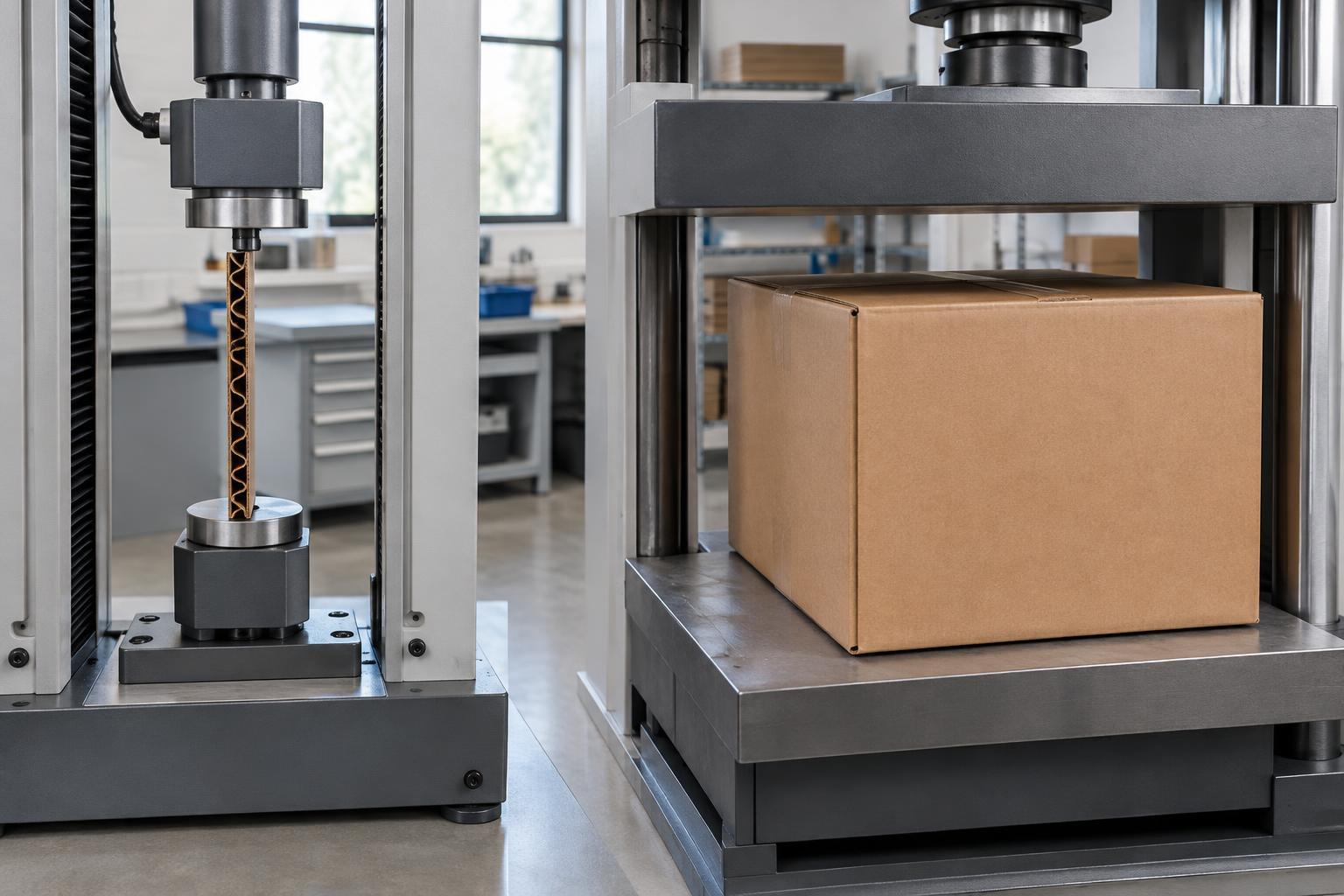
A promising material is a starting point, not proof of protection. Assemble complete packs using the intended carton, closure method, product and accessories. Inspect them after handling and transport-style tests that reflect the expected journey. Look for cracks, scuffs, loose components, crushed pads and marks showing where the product struck the box. Testing more than one packed sample can reveal whether results depend on a particularly careful packer.
When damage appears, identify its likely path before adding more material. A broken corner may call for better separation from the carton; surface rubbing may call for restraint or a sleeve; a crushed pad may need a different support area or material. Revise one feature at a time where practical, then check the complete package again. The best choice is not necessarily the thickest cushion: it is the combination that protects the product consistently while remaining practical to pack, ship and unpack.