What makes corrugated board different?
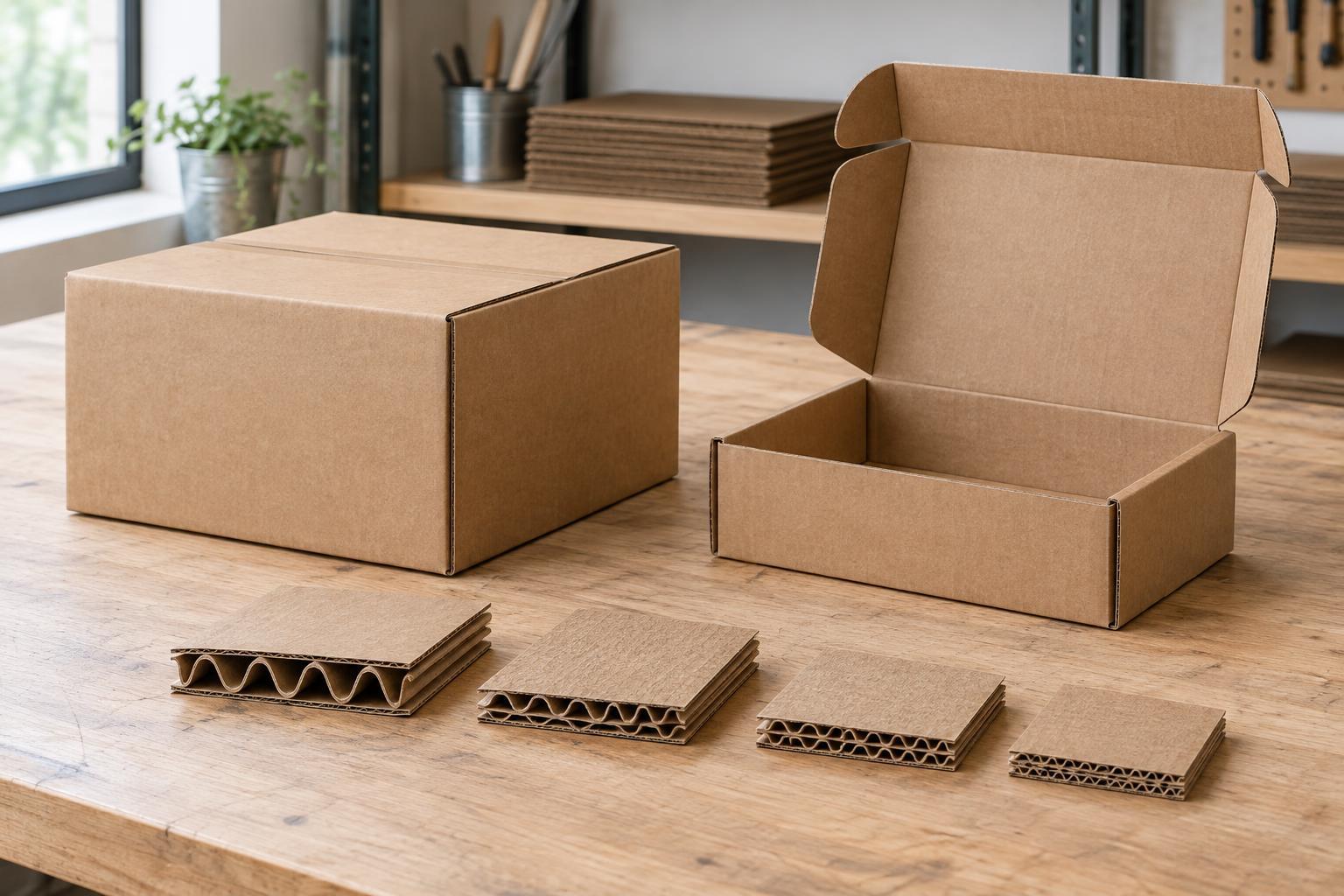
In everyday speech, “cardboard box” often means a corrugated box. Corrugated board, however, has a specific construction: a wavy sheet called the medium is bonded to one or more flat sheets called liners. The waves, or flutes, create space between the liners. This structure makes a relatively light sheet that can resist bending and cushion its contents.
A typical single-wall box uses one fluted medium between two liners. Double-wall board adds another fluted medium and another liner, creating a thicker panel. More layers are not automatically better for every product: they add material, bulk and cost. The useful choice depends on the contents, how the box will be handled and how it will be stacked.
Corrugated board also differs from solid paperboard, the thinner, unfluted material often used for retail cartons. Both can be folded into packaging, but their structures suit different demands. A small carton may present a product neatly on a shelf; a corrugated outer box is often chosen to help protect multiple items through storage and transport.
How flutes affect a box
Flute names describe general profiles, including A, B, C, E and F. Larger flutes create more distance between the liners and can provide useful cushioning and panel stiffness. Smaller flutes make a thinner board that can fold more neatly and offer a smoother surface for printing. Exact dimensions vary by producer, so a flute letter is a starting point rather than a complete performance specification.
C-flute is a familiar general-purpose choice for shipping boxes. B-flute is thinner and often suits compact boxes or die-cut designs. E- and F-flutes are finer profiles commonly considered when a slim package or more detailed printed appearance matters. A-flute has a taller profile that may be useful where cushioning is a priority. Double-wall board can combine flute profiles to balance thickness and strength.
Flute direction matters too. In a box with the flutes running vertically along its side walls, the board can support stacking loads differently than it would with another orientation. Creases, cutouts and handles interrupt the panel, so the finished box must be considered as a whole rather than judged only by the board sample.
What liners contribute
Liners form the visible inner and outer faces of corrugated board. They give the fluted medium surfaces to bond to and help the panel hold its shape. Liner choices can affect appearance, print results and performance. For example, a brown outer liner offers a different presentation from a white one, while the weight and composition of the paper can influence how the board behaves under load.
Liners may use virgin fibre, recycled fibre or a combination, depending on the specification. It is too simple to assume that one fibre choice always produces a stronger or more suitable box. Paper quality, board construction and the manufacturing process all play a part. Moisture is another consideration: damp conditions can reduce the stiffness of paper-based packaging, which matters if boxes will be stored in a humid area or moved between environments.
Printing and finishing should be discussed alongside the liner choice. A box intended mainly as a plain shipping container has different visual needs from one opened by a customer. In either case, a legible handling label, clean folds and a secure closure are often more valuable than adding decoration without a clear purpose.
Common box styles and where they fit
The regular slotted container, often called an RSC, is a common shipping-box style. Its top and bottom flaps meet near the centre when closed, and it can be supplied flat for assembly. This makes it a practical starting point for many products, although the contents may still need inserts, dividers or other restraint to prevent movement.
Die-cut mailers use shaped cuts and folds to create features such as tuck-in closures or fitted edges. They can offer a tidy opening experience for smaller goods, but their fit should be checked carefully: too much empty space invites movement, while too little can make packing difficult. Trays have an open top and are useful when products need to be displayed or accessed. A separate lid can turn a tray into a covered package.
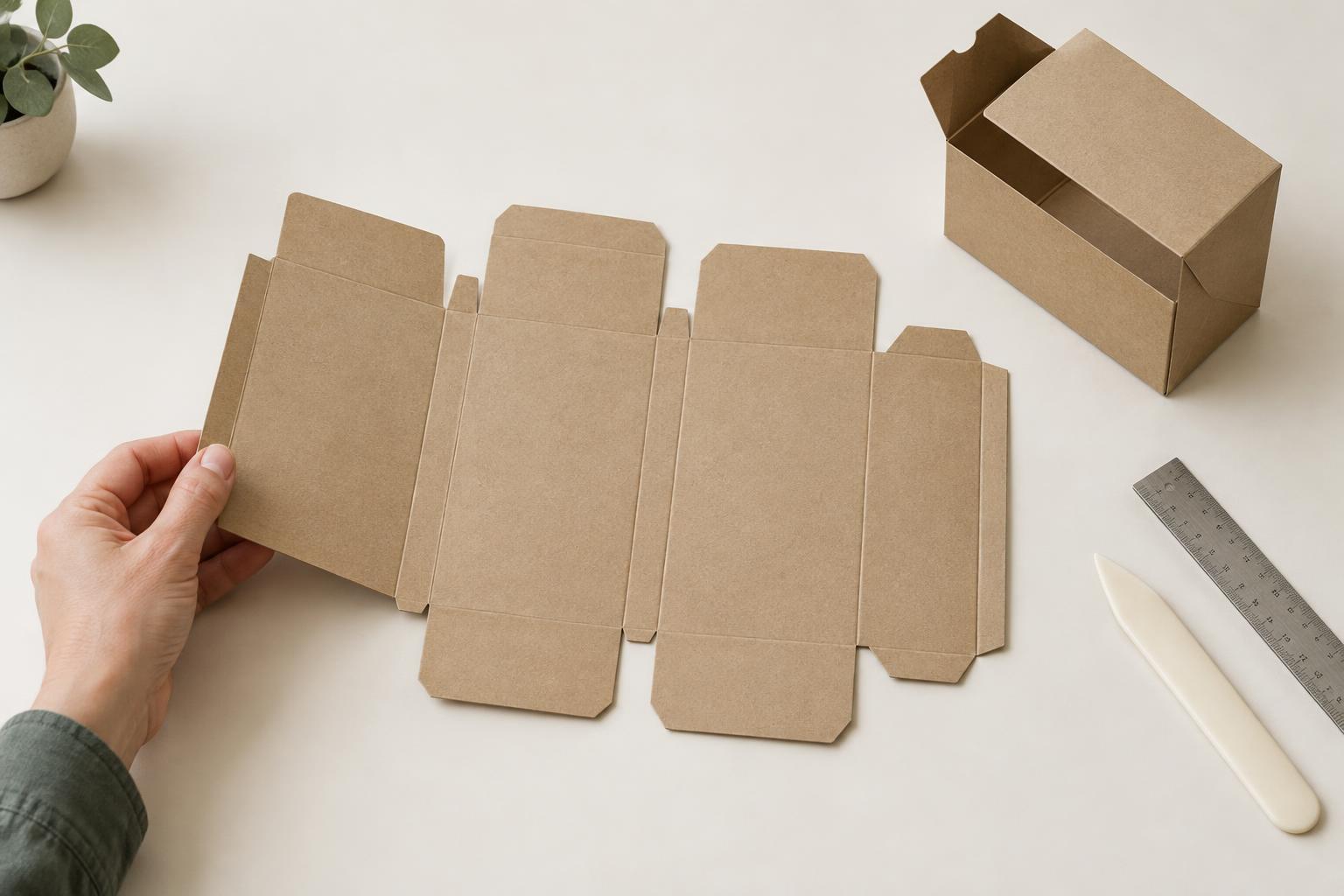
Telescope boxes have a lid that fits over a base, sometimes providing overlapping sides. Wrap-around styles are folded around a product or group of products rather than loaded through the top of a preformed box. Each style changes how a package is assembled, filled, closed and opened. Those handling steps can be as important as the amount of board used.
Choosing and checking a box
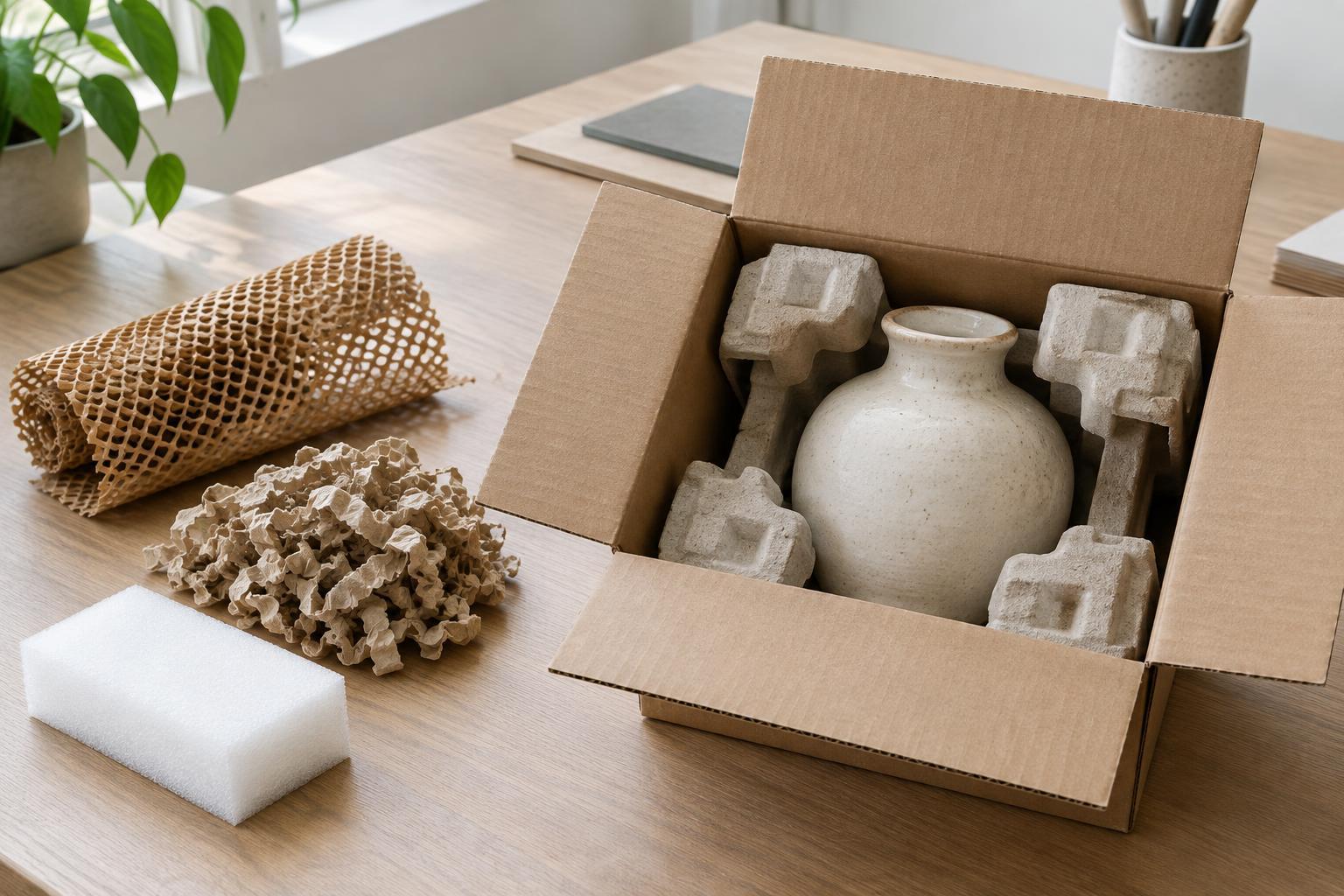
Start with the product: its weight, dimensions, fragile areas and whether it can tolerate pressure from neighbouring items. Then consider the journey. Will boxes be stacked for storage, carried individually, packed tightly together or exposed to changes in humidity? These questions help narrow the board construction and box style before details such as printing are settled.
A prototype is useful because a board specification alone cannot show how the complete package works. Pack the product as intended, close the box using the planned tape or other closure, and check whether items shift when the package is handled. Look for bulging panels, awkward folds and corners that could be crushed during routine handling. If boxes will be stacked, check the packed boxes in a representative stack rather than evaluating an empty sample.
Good packaging is a balance, not simply the thickest available board. The aim is a box that protects the contents, is straightforward to pack and uses material where it has a clear job. Flutes, liners and box style are connected decisions; testing them together is the most useful way to move from a promising design to a dependable one.