Start with the parts most likely to need attention
Design for repair begins before the enclosure is finalized. A designer can map the product’s main components, then ask which ones are exposed to wear, handling, heat, moisture or repeated movement. A switch, seal, battery or cable may need attention long before a sturdy structural frame does. If those parts sit behind permanent joints or fragile decorative pieces, an otherwise small repair becomes difficult.
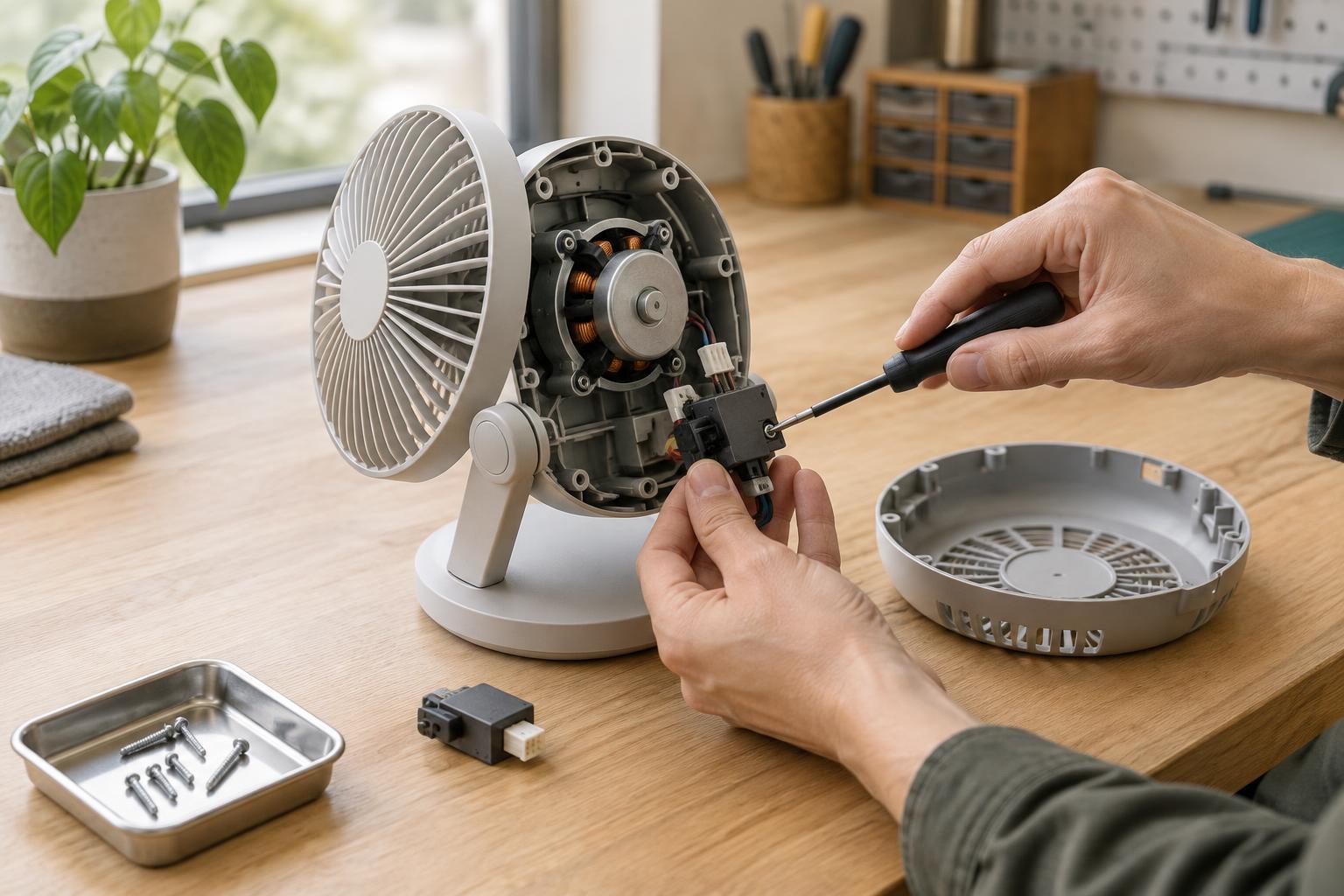
This does not mean every component needs its own access door. The useful goal is a sensible path from the outside of the product to the parts a person is most likely to inspect or replace. Sketching a disassembly sequence can reveal problems early: How many parts must come off first? Must a working component be disturbed? Is there enough room to grip the part and disconnect it? Answers to these questions can guide the layout while changes are still relatively easy to make.
Make access predictable
An accessible part is not merely visible. It must be possible to reach it with suitable tools, release its connections and lift it out without bending nearby parts. Placing serviceable components near a removable panel helps, but the panel itself needs a clear opening method. Screws hidden beneath glued trim, for example, may turn a straightforward task into a damaging one.
Fasteners should suit the number of times a joint may be opened. Screws can provide a repeatable way to close an enclosure, provided their heads are reachable and the receiving material can tolerate removal and refitting. Clips may allow quick assembly, but thin or concealed clips can be hard to release without breakage. Adhesives and welds can be useful for sealing or strength; placing them across a likely repair route, however, makes later access harder. A good design reserves permanent joints for areas unlikely to need opening.
Design the replacement as a complete task
Getting a worn part out is only half the job. A replacement must fit, connect correctly and restore the product’s intended function. Components with clear mounting points and consistent dimensions are easier to identify and exchange. Where possible, connections should be separable without cutting wires, tearing seals or removing unrelated assemblies. Enough slack and working space around a connector can matter as much as the connector type.
Grouping parts into modules can simplify replacement, but module boundaries need thought. Replacing an entire assembly because one small piece has worn out may waste usable material and increase the cost of a repair. At the other extreme, a tiny individual part may be impractical to handle or align. The appropriate boundary depends on how the product is assembled, which parts commonly need attention and what a repairer can reasonably test afterward. Features that prevent incorrect orientation, such as distinct shapes or keyed connectors, can reduce mistakes during reassembly.
Provide clues for the person doing the repair
Repairability also depends on information. Clear part identification, an understandable opening sequence and visible indications of fastener locations help a repairer work without guessing. Simple labels or molded markings can distinguish similar connectors and show how a component should be oriented. Service instructions can explain which panels to remove, which tools are needed and which checks to perform before the product goes back into use.
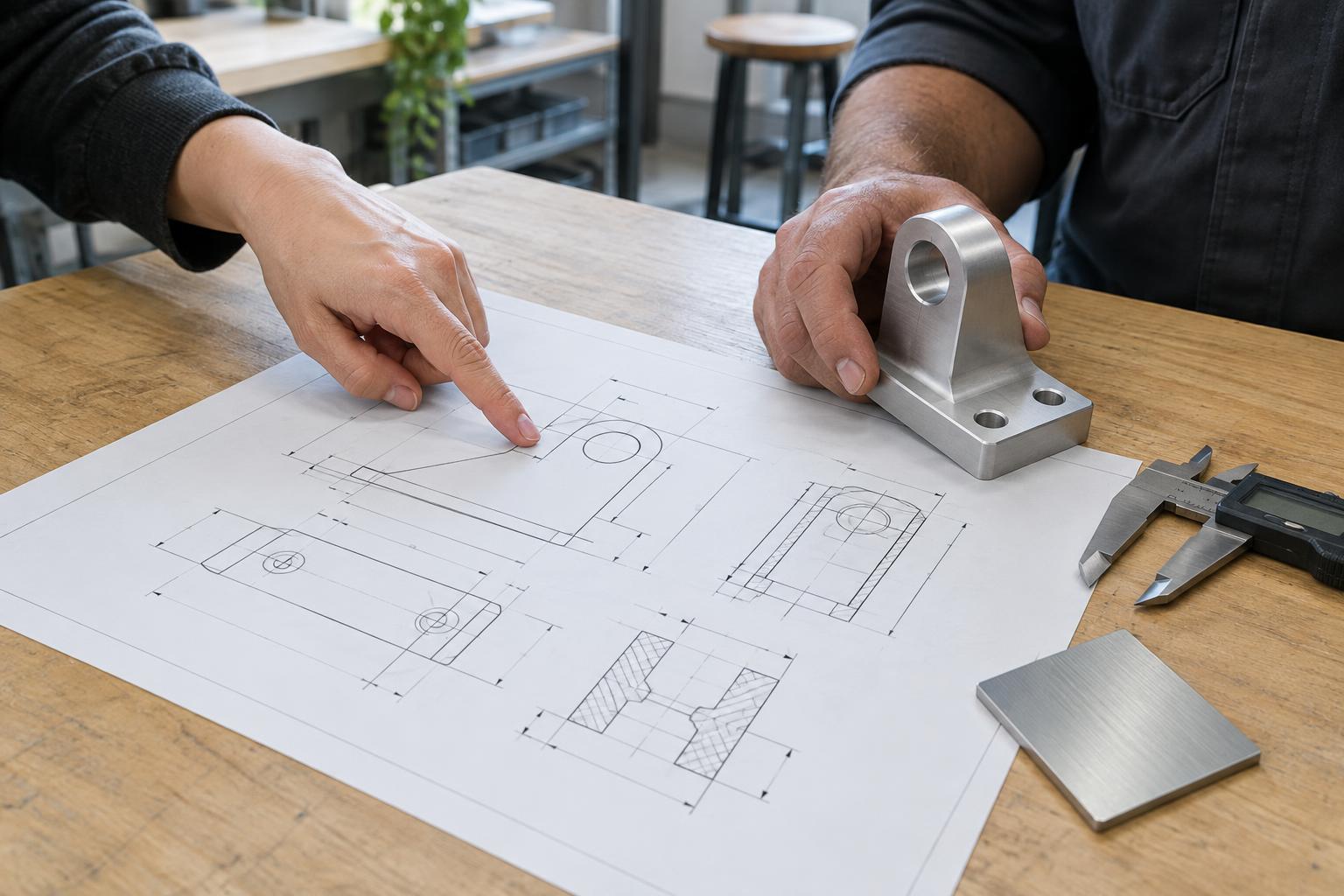
The instructions should match the physical product. If a drawing shows a connector that is buried behind another component, the repair remains awkward. Likewise, a replacement part is of limited use if its identity is unclear or it cannot be obtained separately. Considering identification and availability during product development connects the design of the object to the practical process of maintaining it.
Check repairability alongside other design needs
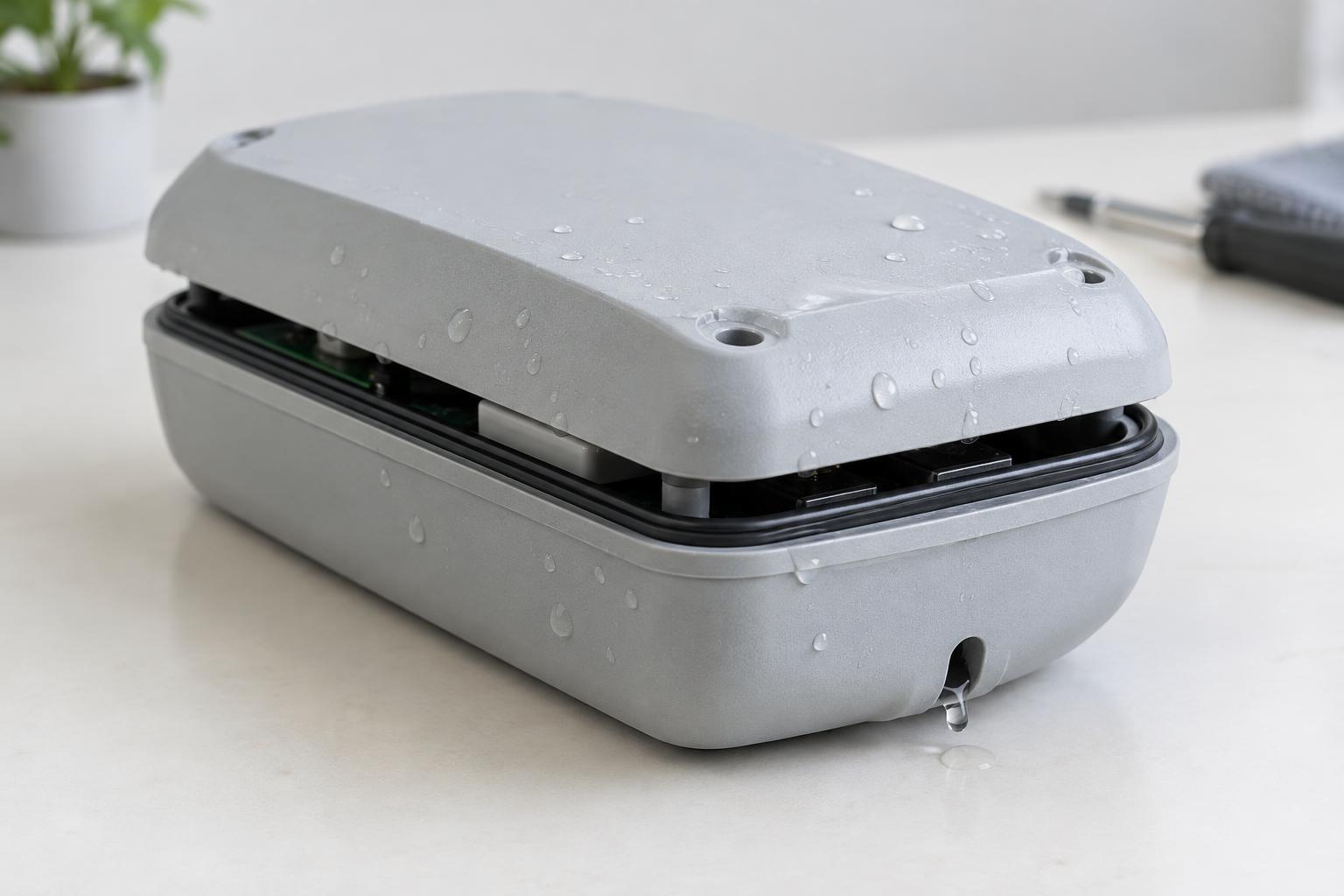
Access and replaceability must be balanced with strength, size, sealing, appearance and production efficiency. A removable panel may require extra space or fasteners; an opening that helps repair could also create a route for dust or water if poorly designed. These tradeoffs are easier to manage when repair is treated as a design requirement rather than an afterthought.
A useful test is to ask someone who did not design the product to remove and refit a likely replacement part using the intended tools and instructions. Watch for uncertainty, damaged clips, lost fasteners, strained wires and steps that require more force than expected. Then check that the product still closes securely and works as intended. This exercise does not guarantee every future repair will be simple, but it exposes barriers that drawings alone may miss. The result is a more realistic definition of repairability: not just a part that can theoretically be replaced, but a product that gives someone a workable way to do it.