What anthropometrics can tell a designer
Anthropometrics is the study of human body dimensions. In product design, it helps answer questions such as how wide a handle should be, where a control should sit, or how much space a person needs to approach an object. These decisions affect whether users can reach, grasp, see, carry and operate a product as intended.
A body measurement is a starting point, not a ready-made product dimension. People use products in different postures, with different levels of mobility, strength and dexterity. Clothing, footwear, gloves and carried items can also change the space needed for a task. A useful design therefore considers the user’s activity and surroundings as well as the size of the body.
Define users and tasks before choosing dimensions
Begin by describing who is expected to use the product and what they must do with it. A countertop appliance, for example, may need to be lifted from a shelf, placed on a worktop, filled, operated and cleaned. Each action raises a different sizing question. The grip that works while operating the appliance may not be suitable for carrying its full weight.
Next, identify the measurements that relate to those actions. Reach distance may matter for a control; hand dimensions may matter for a grip; clearance around a lid may matter for opening it. Include the expected environment: a product used in a tight cabinet has different access constraints from one used on an open table. This task-first approach keeps a team from collecting many measurements without knowing which design decisions they support.
Design for a range, not an imagined average
Designing around an average body size can exclude people at either end of a range. Instead, decide which users need to perform each essential task, then examine the smaller and larger dimensions relevant to that task. For a reachable control, a shorter reach may be the limiting case. For clearance under a handle, a larger hand or a gloved hand may need more room.
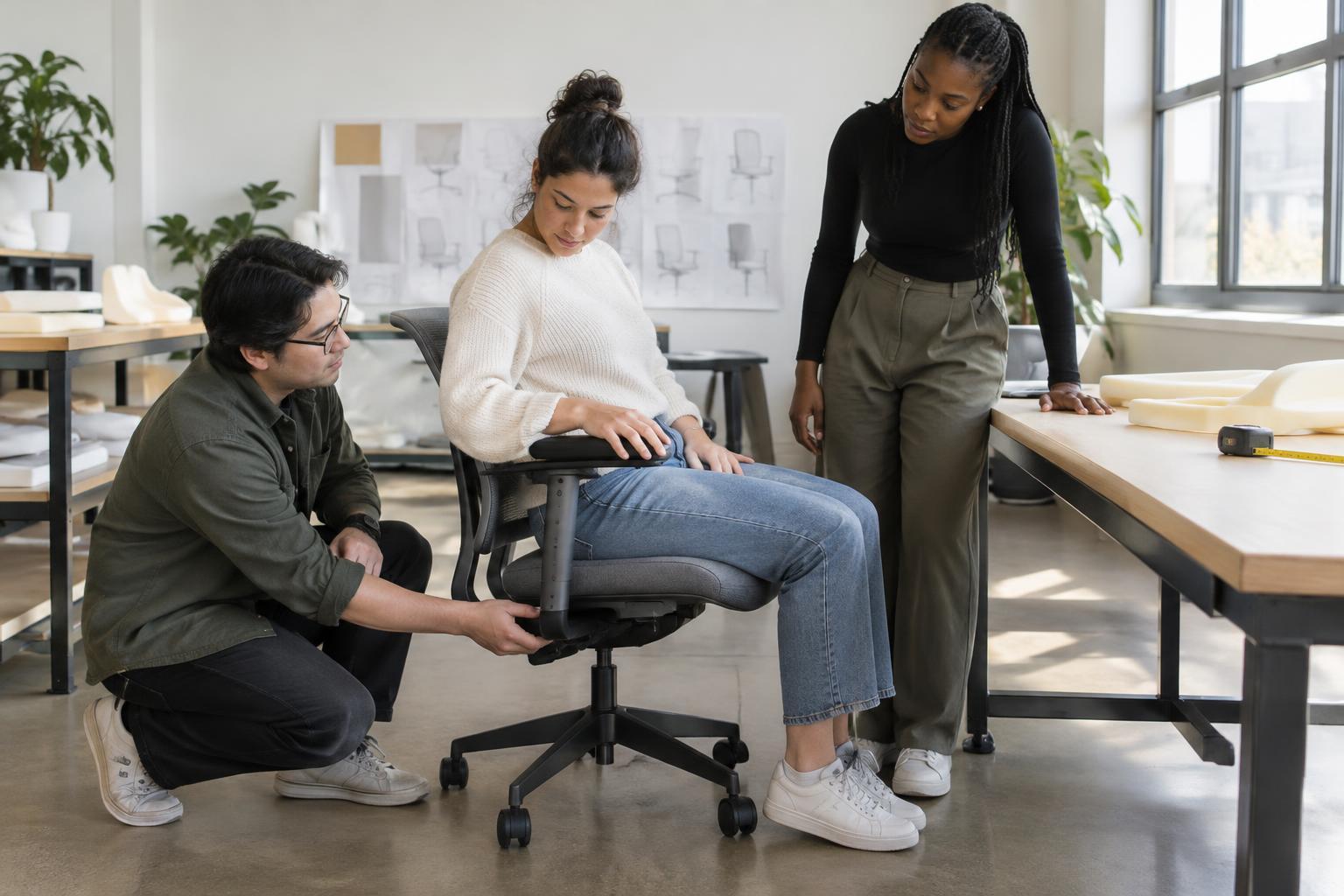
Not every dimension can be optimized for everyone at once. A fixed grip, for instance, has to balance how securely different users can hold it with material use, product size and the force required to operate it. Where one fixed size creates a substantial compromise, consider an adjustable component, alternative grip positions or more than one product size. Make the adjustment easy to find and use; an adjustment that is difficult to operate may offer little practical benefit.
Turn measurements into usable prototypes
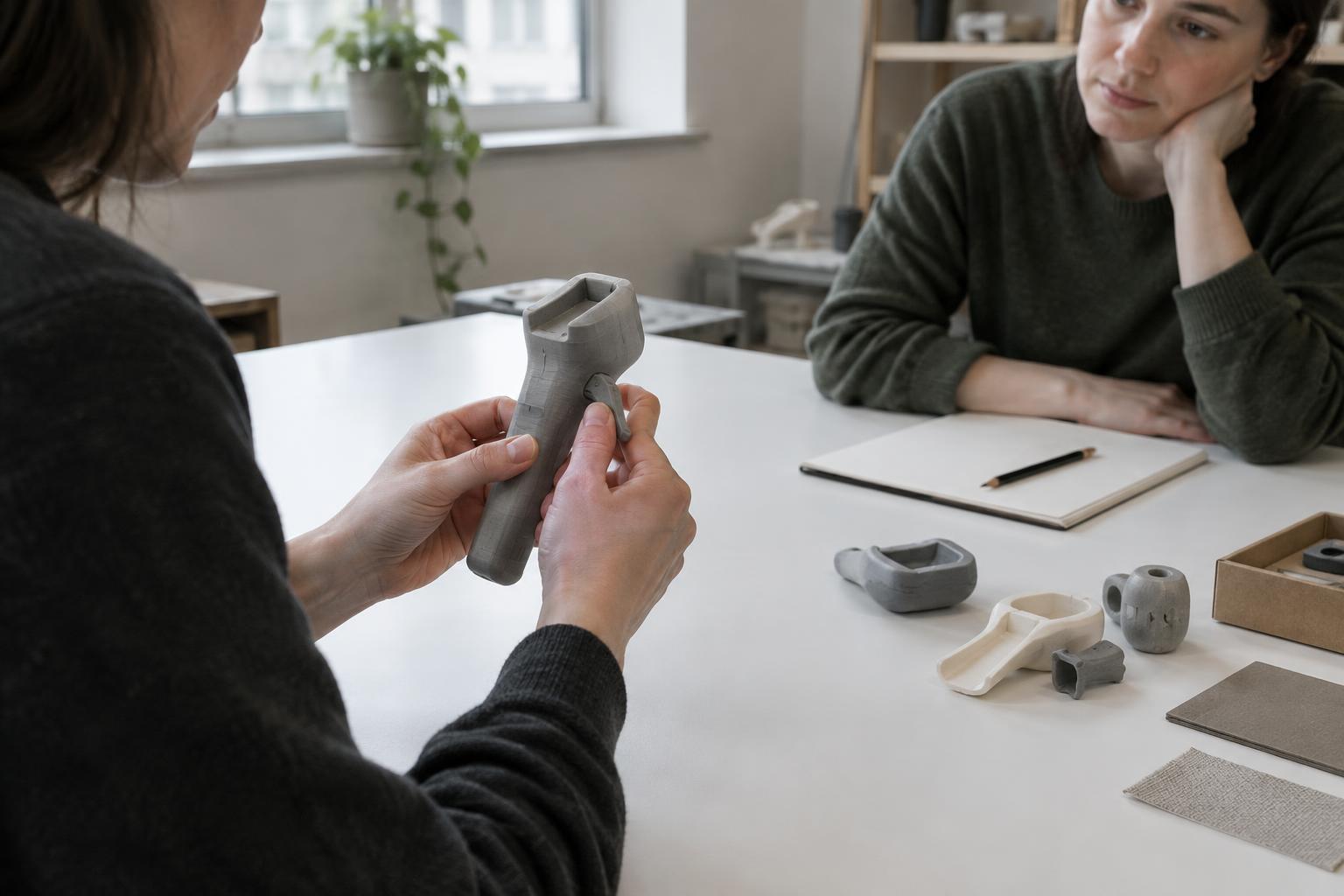
Translate the chosen body measurements into product features, then test those features in context. A simple mock-up can reveal whether fingers fit beneath a handle, whether a button is visible during use, or whether a user must bend a wrist awkwardly. Test the product through the full task sequence rather than checking dimensions in isolation. Repeated actions may expose difficulties that a single reach or grip test misses.
Try prototypes with people whose body sizes and abilities vary within the intended user group. Observe where they reposition their hands, change posture, hesitate or ask for help. Their comments are useful, but behavior can reveal problems they do not think to mention. If testing uncovers a problem, identify the specific dimension or interaction behind it before changing the design; making one part larger can reduce clearance somewhere else.
Carry fit decisions through production
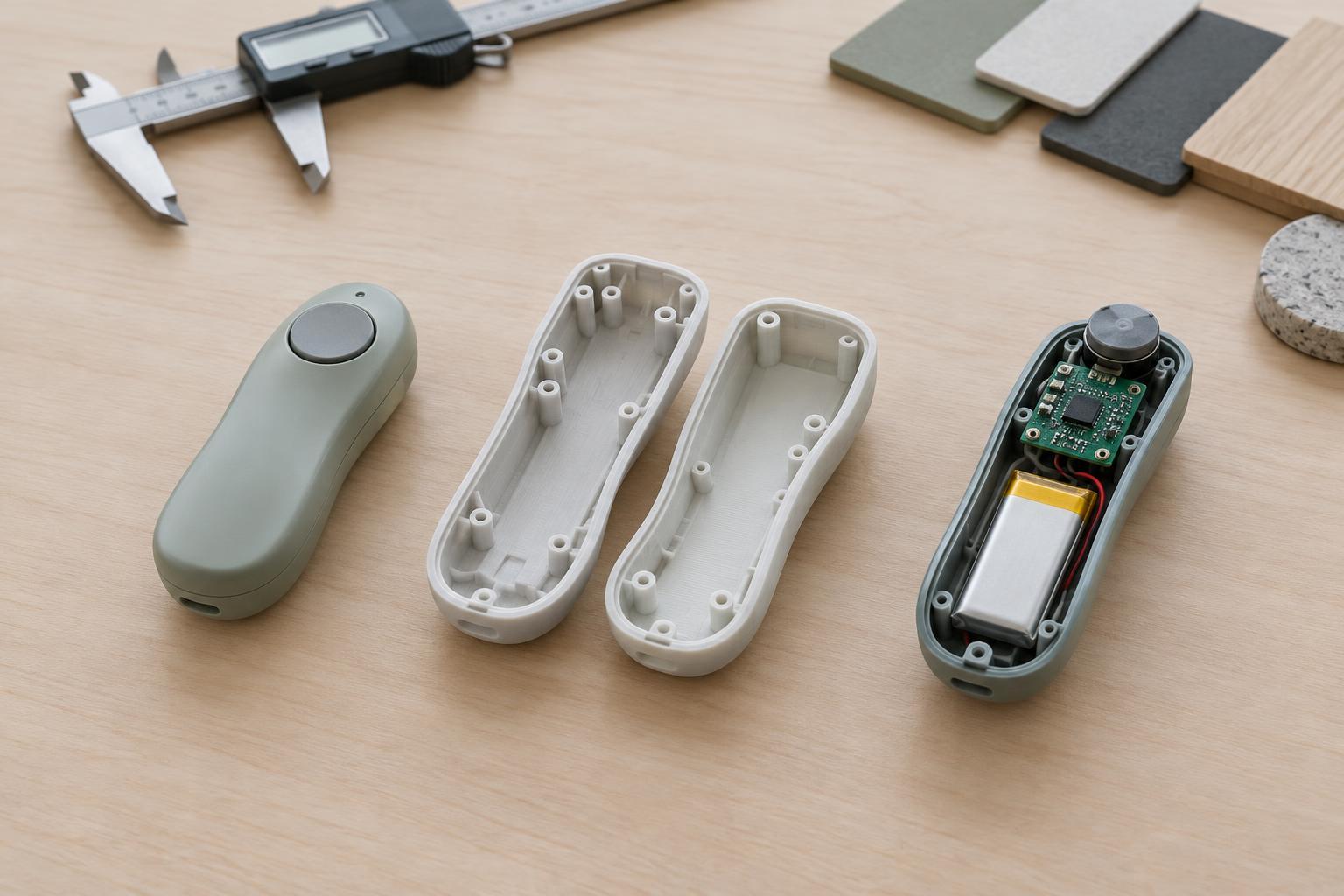
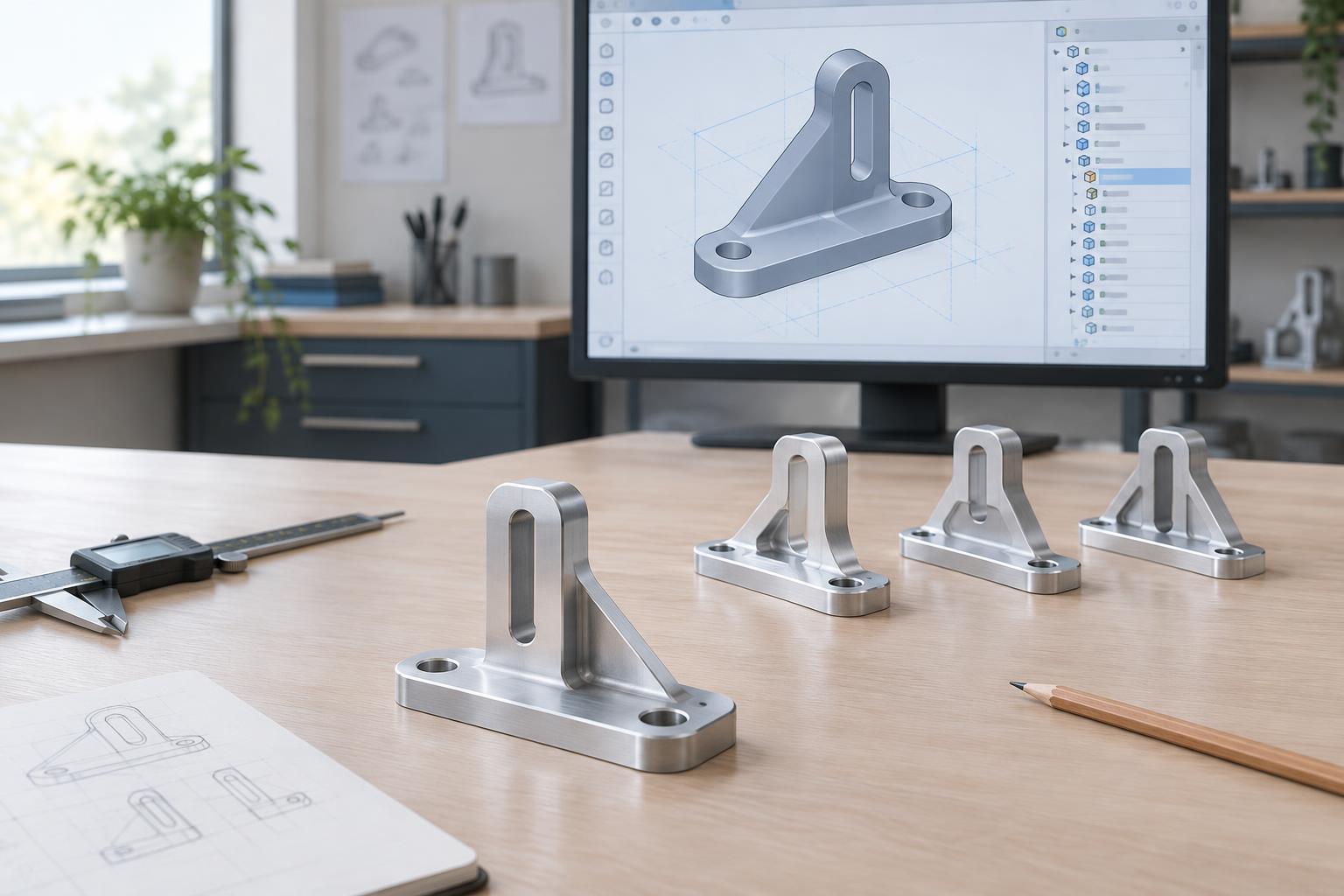
Once a design works in a prototype, record why its important dimensions were chosen. Note which user task each dimension supports, what variation was tested and which clearances must be preserved. That makes later changes easier to evaluate. A material substitution, thicker coating or revised assembly method can alter the space available to a hand even if the product’s overall size appears unchanged.
Fit should remain part of design reviews and quality checks, not disappear when a drawing is approved. Identify dimensions that are critical to reach, grip or clearance and verify them on production-representative samples. Anthropometrics does not guarantee that every product will suit every person. Used alongside task observation and testing, however, it gives teams a more reliable way to size products for the people who will actually use them.