What transit testing is meant to answer
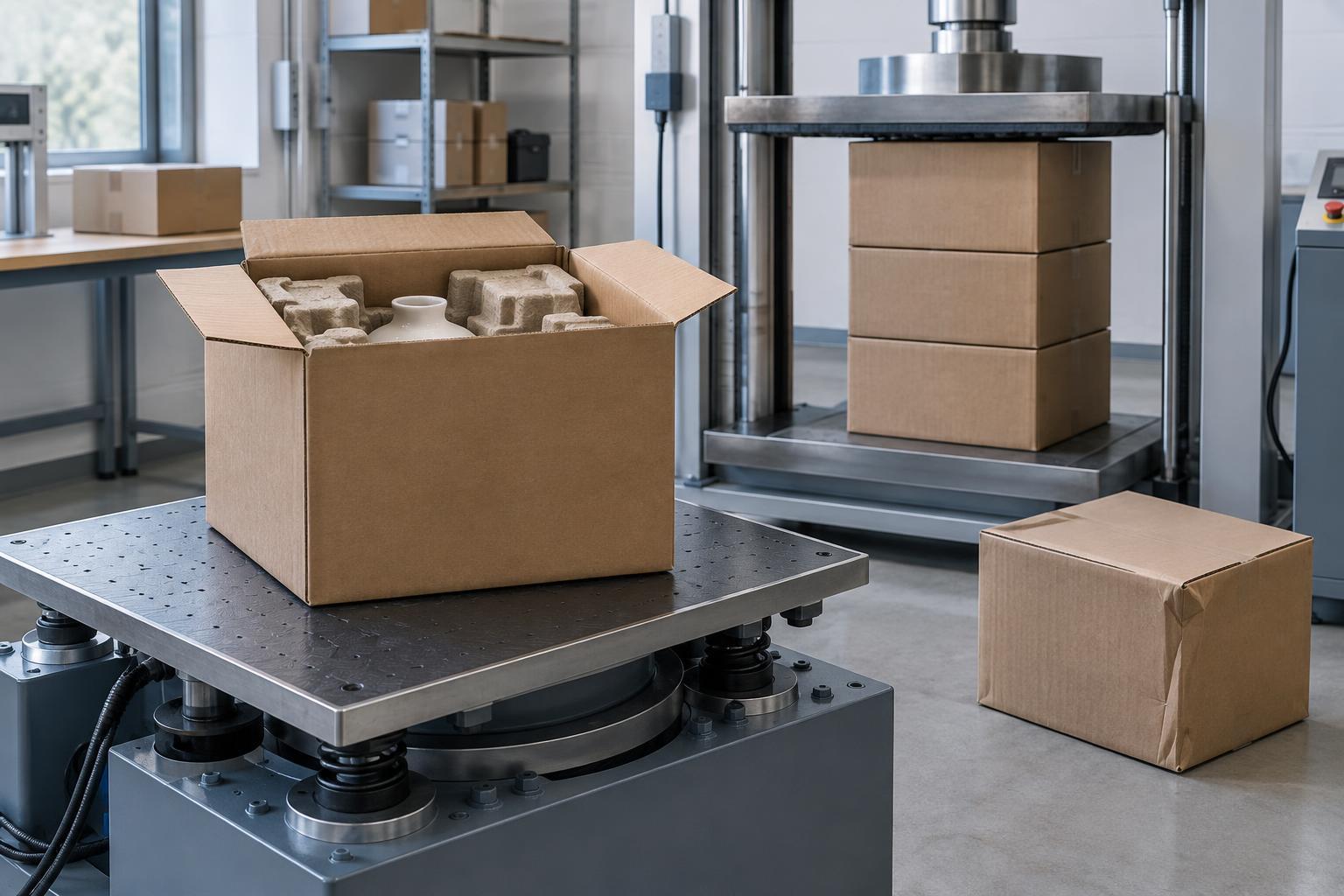
Transit testing exposes a packed product to controlled versions of the physical stresses it may encounter between packing and delivery. It is not a promise that every shipment will arrive unharmed. Instead, it helps a team find weaknesses before sending out large quantities of the same pack. A useful test asks a specific question: Can this package keep the product secure and functional through the handling and storage conditions it is designed for?
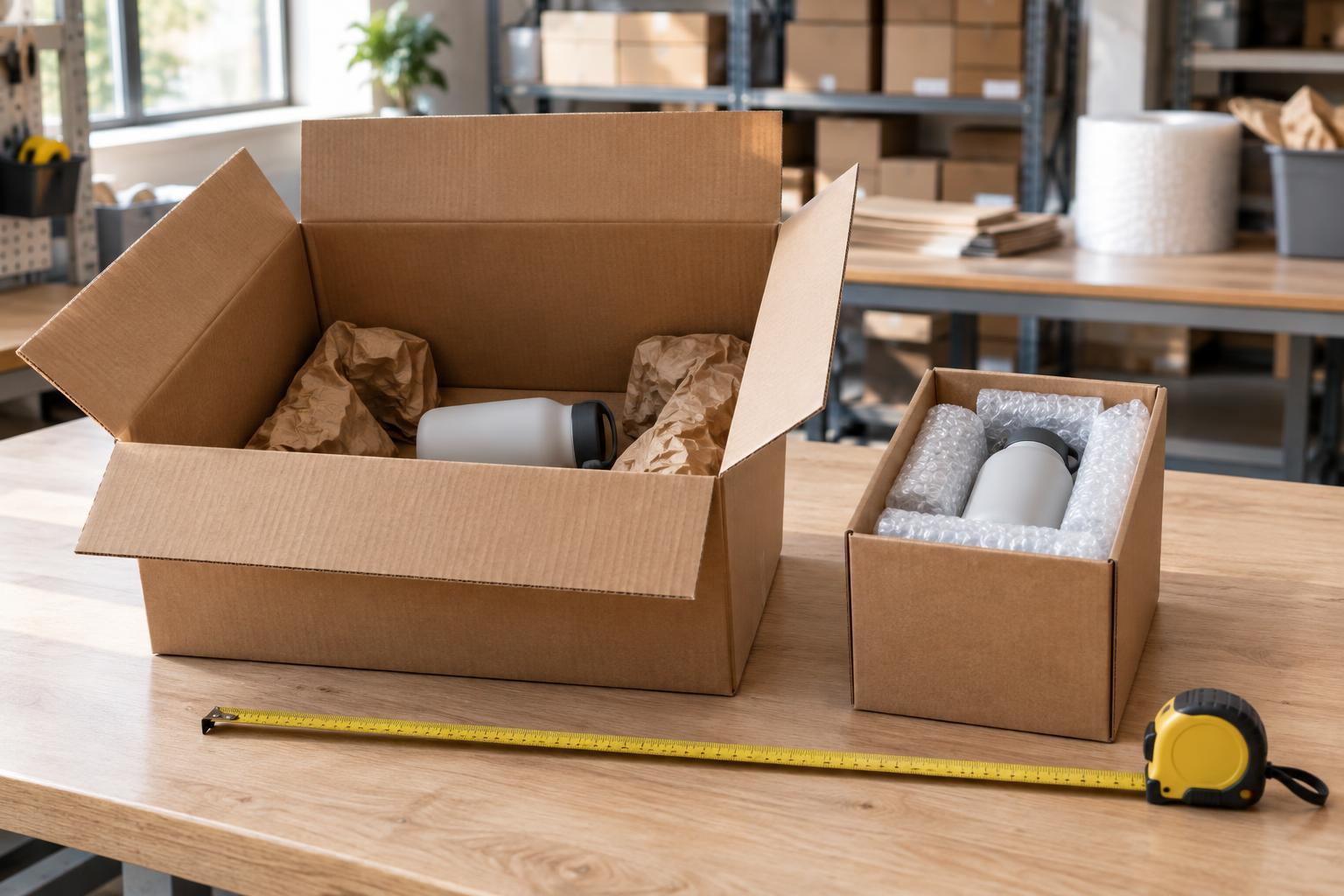
Those conditions depend on the distribution route. A small parcel handled individually may face different hazards from a case shipped on a pallet. Start by identifying the shipping unit to be tested: the retail carton, an outer shipping case, or a loaded pallet. Test it with the intended product, internal supports, closure method and packing arrangement. An empty box or a carefully prepared one-off sample may not behave like the finished shipment.
Drops: looking for sudden impacts
A drop test checks how a packed item responds to an abrupt impact. Depending on where it lands, force may pass through a flat face, an edge or a corner. These orientations matter because a corner impact can concentrate force in a smaller area, while a flat impact may load a wider part of the product or its cushioning. Testing several orientations gives a better picture than repeating only the most convenient drop.
The drop height and number of impacts should reflect the handling situation being assessed, rather than an arbitrary desire to make the test severe. Record the package orientation and inspect it between impacts if the test plan calls for it. A crushed corner can change how the next impact reaches the product. Afterward, look beyond obvious breakage: check alignment, moving parts, surface finishes, seals and whether the product still performs its intended function.
Vibration: finding movement and wear
Vibration testing represents the repeated movement a shipment can experience in a vehicle or handling system. Even when each movement is small, repeated motion can let a product rub against its packaging, loosen a fitting or shift into a less protected position. Loose items inside a large carton are especially worth examining, but a snug fit is not automatically safe: it can transmit motion directly to a delicate component.
The useful question is not simply whether the box survives. Open the pack and look for scuffs, dust from worn cushioning, migrated parts, loosened closures and contact between products. If the shipment contains several units, check whether they strike one another. Where practical, note the position of each item before and after testing. This can help distinguish a movement problem from damage caused by a single impact.
Compression: assessing loads from stacking
Compression testing examines how a shipping pack withstands a load applied over time or through a controlled press. It is particularly relevant when cases may be stacked. A carton that bows or buckles can lose its protective shape even if its contents remain intact at first inspection. The result depends on details such as box dimensions, board construction, internal supports and how the load is applied.
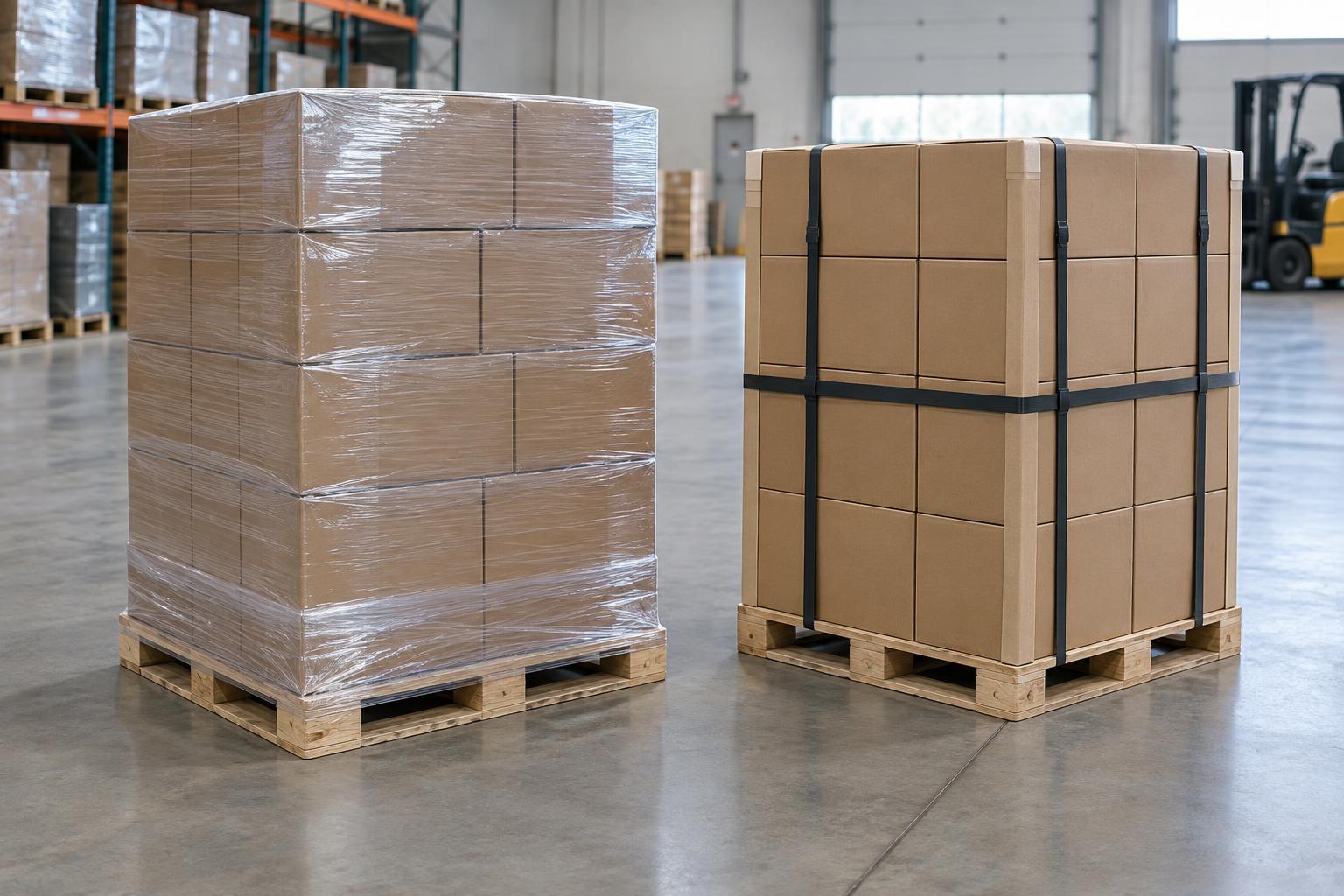
Test the arrangement that will actually be shipped. A case supported by its contents may respond differently from one with empty space above the product. If cases are palletized, their alignment and any overhang can affect how weight travels through the stack. Inspect for collapsed corners, distorted panels, failed closures and pressure marks on the product. Passing a brief load test should not be taken as proof of unlimited stacking capacity or storage time.
Turn test results into packaging decisions
Before testing, agree on pass criteria for both the package and the product. Cosmetic damage to an outer case may be acceptable in some uses, while a mark on a display-ready carton may not be. Define what counts as functional failure, what appearance matters on arrival and what evidence will be recorded. Photos, sample identification, pack dimensions and notes about how each sample was assembled make results easier to compare.
A sequence of tests can reveal interactions that isolated tests miss: vibration may shift an item so that a later drop strikes an unprotected area, while compression may weaken a carton before handling. Keep the sequence consistent when comparing designs. If a sample fails, locate the failure path before adding more material. A better-fitting insert, a different closure or less empty space may solve the problem more effectively than a heavier box. Retest the revised pack under the same conditions, and remember that controlled tests inform a decision; they cannot reproduce every event in a real journey.