Start with the journey, not the container
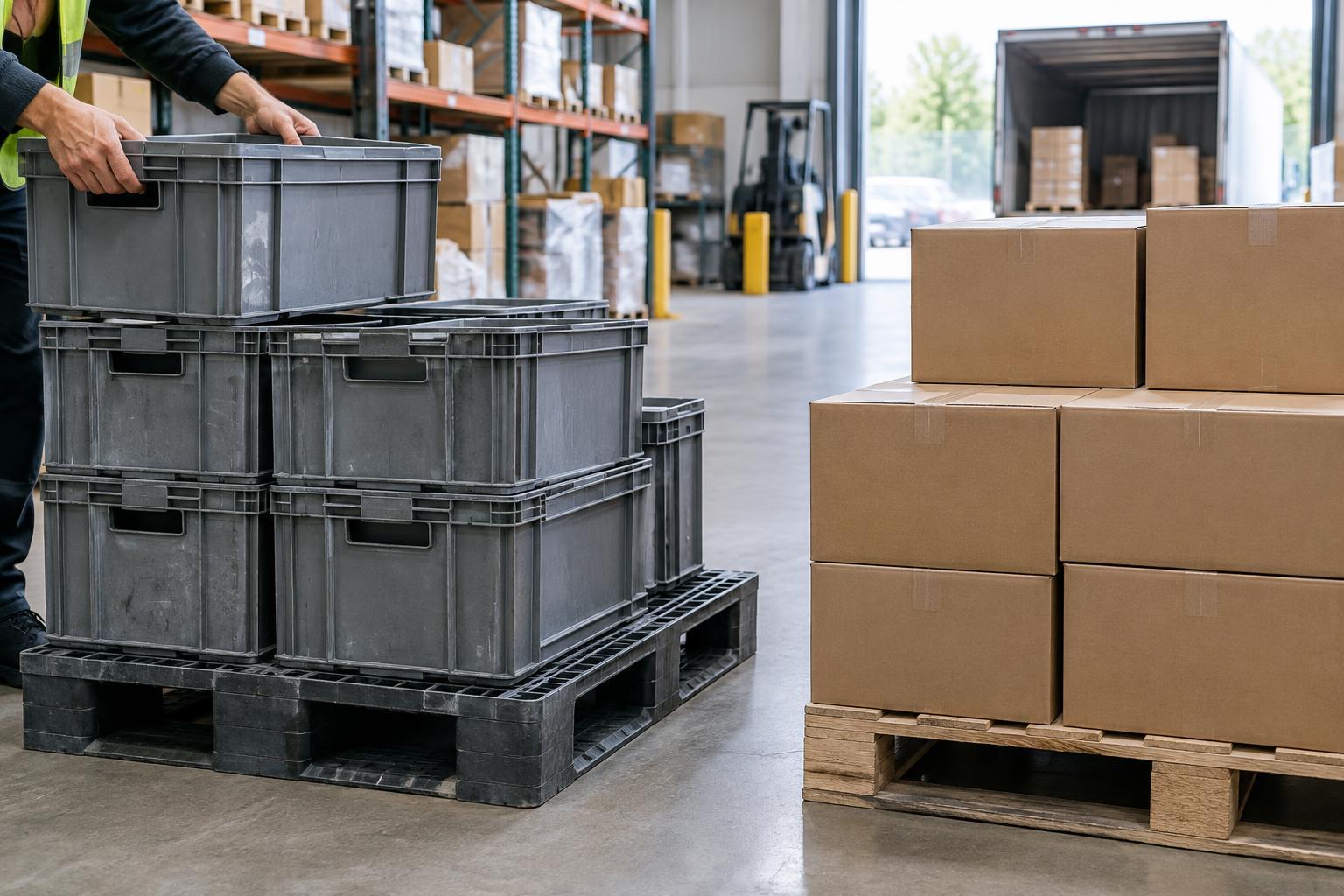
Transport packaging protects and organizes goods while they move between facilities. It may include corrugated cartons, pallets, plastic totes, crates, trays and protective inserts. Single-use packaging is intended for one shipping cycle, even if its materials are later recycled. Returnable packaging is designed to be collected and used again. Neither option is automatically better: the useful comparison is between complete shipping systems that deliver the same level of product protection.
Map the product’s journey before choosing a format. Who fills the package, who opens it, and where does it go afterward? A returnable tote may be easy to manage on a regular route between a factory and a nearby assembly plant. It is harder to recover from customers spread across many locations. A package that cannot reliably return becomes an expensive single-use package.
Where reuse has a practical advantage
Returnables are often a good fit for repeated movements between known partners. Predictable deliveries make it easier to collect empties, inspect them and send them back with vehicles already traveling the route. Standard product sizes also help: one durable container can serve many shipments without frequent changes to inserts or packing instructions. In controlled settings, rigid containers may stack consistently and offer repeatable protection.
The value can extend beyond the container itself. A tote that opens and closes without tape may simplify packing and unpacking. A crate sized for existing racks or conveyors may reduce awkward handling. These benefits depend on the operation: a container that works well at the shipping site may be too heavy, bulky or difficult to empty at the receiving site.
Single-use formats remain useful when destinations vary, shipments are occasional, or collecting empties would require a separate trip. Corrugated cartons can be cut and printed in many sizes, packed flat before use and adapted when a product changes. They can also allow the receiver to manage an empty package through its established recycling or disposal process rather than storing it for collection.
Count the whole loop
A returnable package costs more upfront than a comparable single-use package in many cases, but its cost can be spread across multiple trips. To make a fair comparison, estimate its realistic working life rather than its theoretical maximum. Include containers lost, damaged or left with customers, along with the cost of replacements. Then add the work required to sort, inspect, clean, repair and store empties.
The return journey matters just as much as the outbound shipment. Empty containers occupy vehicle space, and their weight can affect handling and transport. Nesting or collapsible designs may reduce that burden, although they can introduce moving parts or additional handling steps. If collection requires a dedicated vehicle movement, the case for reuse may weaken. If empties can travel on an existing route, it may strengthen.
An environmental comparison follows similar logic. Reuse can avoid repeatedly making and disposing of one-trip packages, but manufacturing a durable container typically requires more material than making a light disposable one. Its benefit depends on how many useful trips it completes, how it is transported and maintained, and what happens at the end of its life. Packaging labels alone do not answer those questions.
Test protection and day-to-day handling
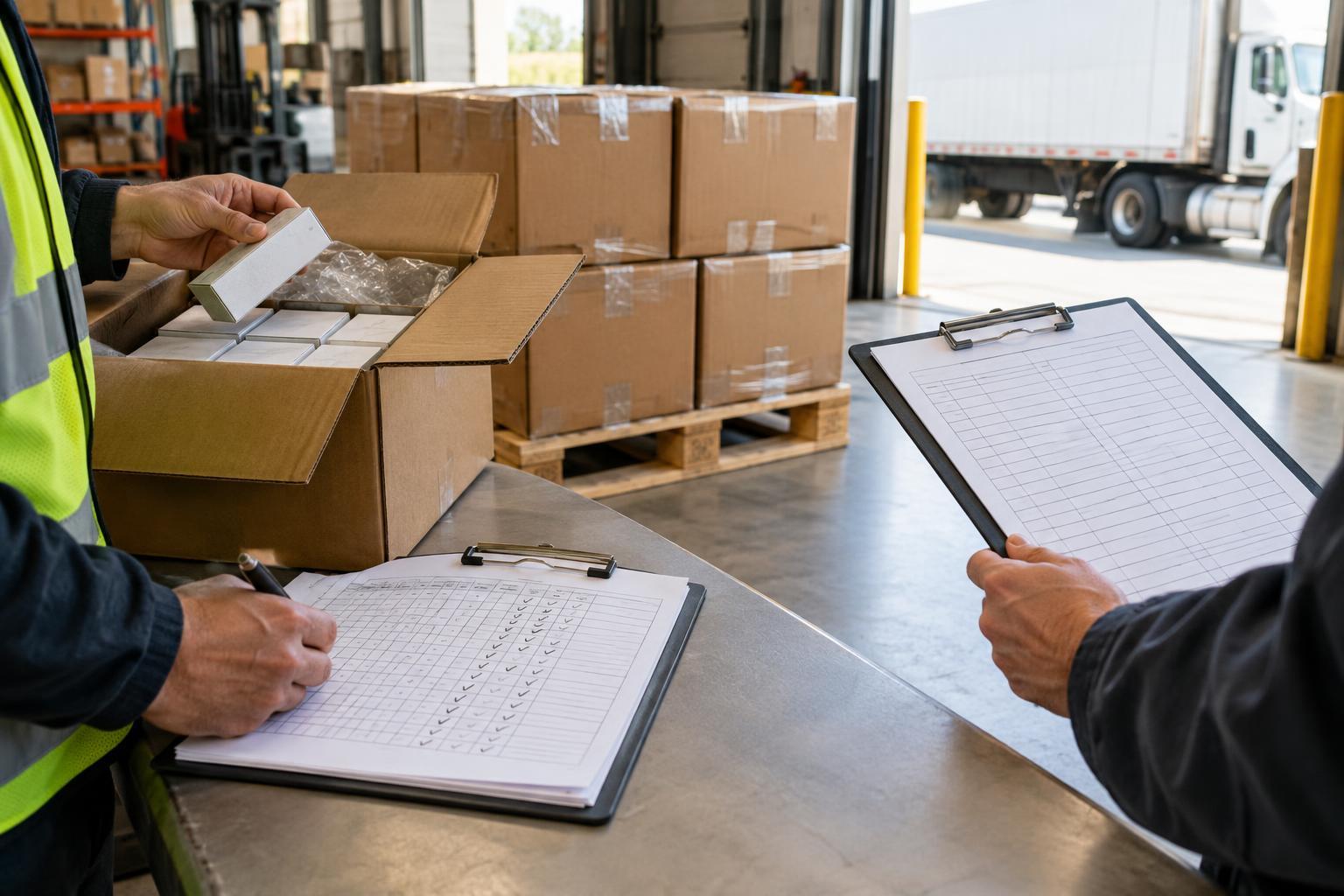
Begin with the product’s needs. Fragile surfaces, moisture sensitivity, cleanliness requirements and the risk of parts mixing may call for specific liners, lids or dividers. A durable outer crate does not remove the need for protective material inside. Compare damage performance using the same product and a representative route, including loading, stacking, unloading and storage.
Check the tasks people perform at both ends. Can workers lift or move a full container safely with the available equipment? Does it fit pallet patterns, shelves and doorways? Can staff tell when it is damaged or needs cleaning? Returnables may need a clear inspection rule so worn containers do not keep circulating simply because they are still available. Single-use packages also need packing instructions that can be repeated consistently.
Run a small trial before committing
A limited trial can reveal problems that are easy to miss in a spreadsheet. Choose a representative product and route, then record how many containers leave, return and need repair or cleaning. Note product damage, packing time, empty-container storage and any delays caused by unavailable packaging. Ask the receiving site whether collecting empties interferes with its normal work.
Use what the trial shows to define a practical decision rule. Returnables make the most sense when the route is repeatable, the parties can manage ownership and returns, and the containers complete enough trips without compromising protection. Single-use packaging may be the simpler choice where demand is irregular or recovery is uncertain. Some operations need both: returnables for stable loops and single-use packaging for exceptions. The goal is not to maximize reuse at any cost, but to choose a system that works reliably over the entire journey.