What a traceability link needs to show
If a finished product develops a fault, the first question is often not “Who made it?” but “Which other products might share the same cause?” Lot traceability helps answer that question. It connects a defined group of finished products to the parts, materials, production activity and checks associated with that group.
A lot is a group identified under a consistent rule, such as material received together or products made during a specified production run. The rule matters as much as the identifier. A code that covers several days of changing inputs provides a different level of detail from one assigned to a single shift. Traceability is useful when someone can follow the links in both directions: from a finished lot back to its inputs, and from an input lot forward to the products that used it.
Build the chain from inputs to finished goods
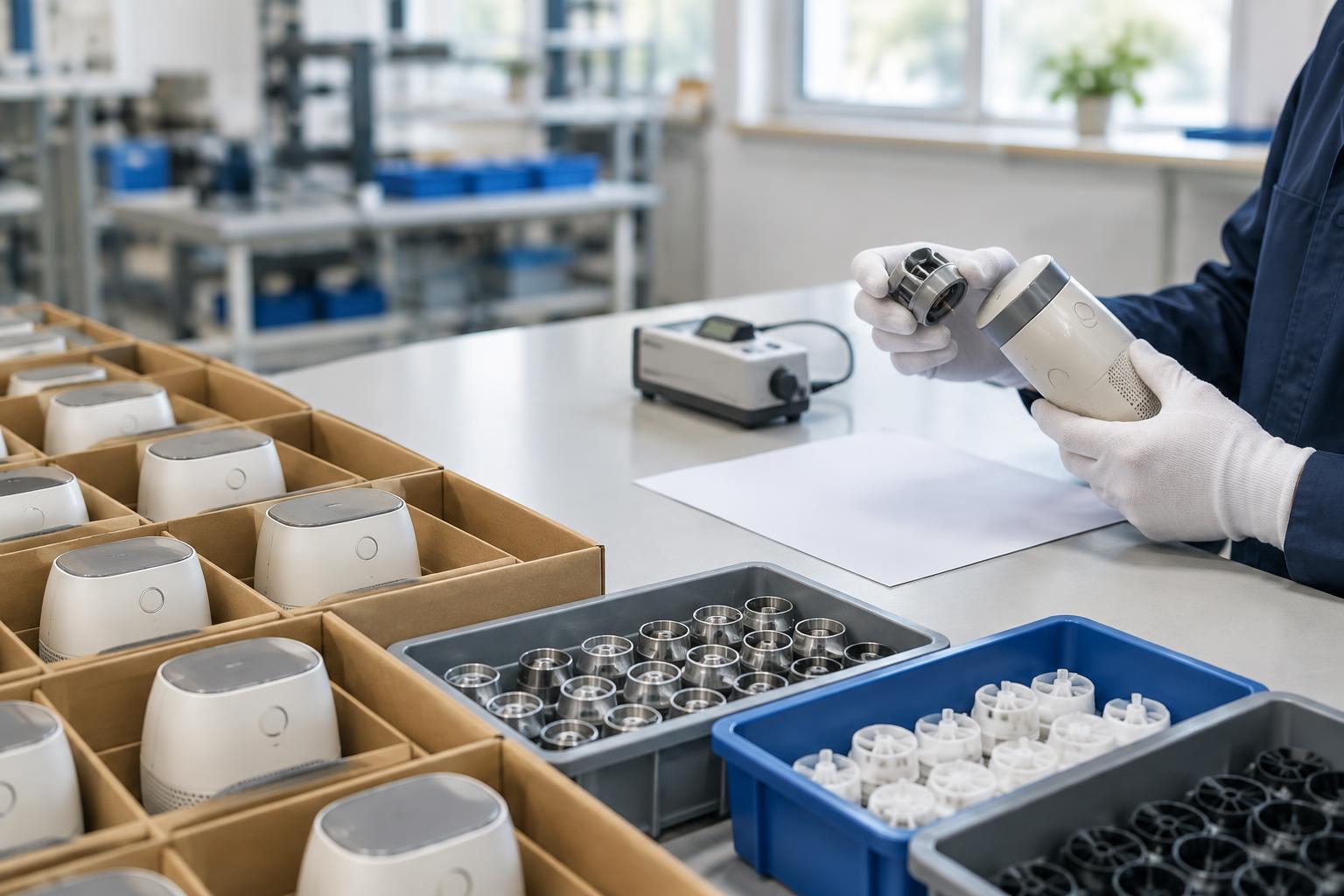
A basic traceability chain starts when parts or materials are received. Each relevant incoming lot needs an identifier that remains associated with it during storage and use. When production begins, a record links the finished-product lot to the input lot IDs, the product or revision being made, and the production run. If one input lot is replaced partway through a run, the record should show where that change occurred rather than implying that every finished unit used the same parts.
The chain continues through assembly, packaging and dispatch. A production lot may be split between packaging runs, while several production lots may be packed into separate shipping cartons. Recording those relationships makes it possible to identify which cartons contain a particular lot. Physical labels and electronic records should use matching identifiers; otherwise, a complete-looking database may not reflect what is actually on a shelf.
Not every product needs a unique serial number. Lot-level tracking can be appropriate when products made together share meaningful inputs and process conditions. Serial-level tracking offers finer detail but requires each unit’s identity to be maintained through production and later handling. The useful level of detail depends on how precisely a team needs to separate potentially affected products.
Connect tests to the products they represent
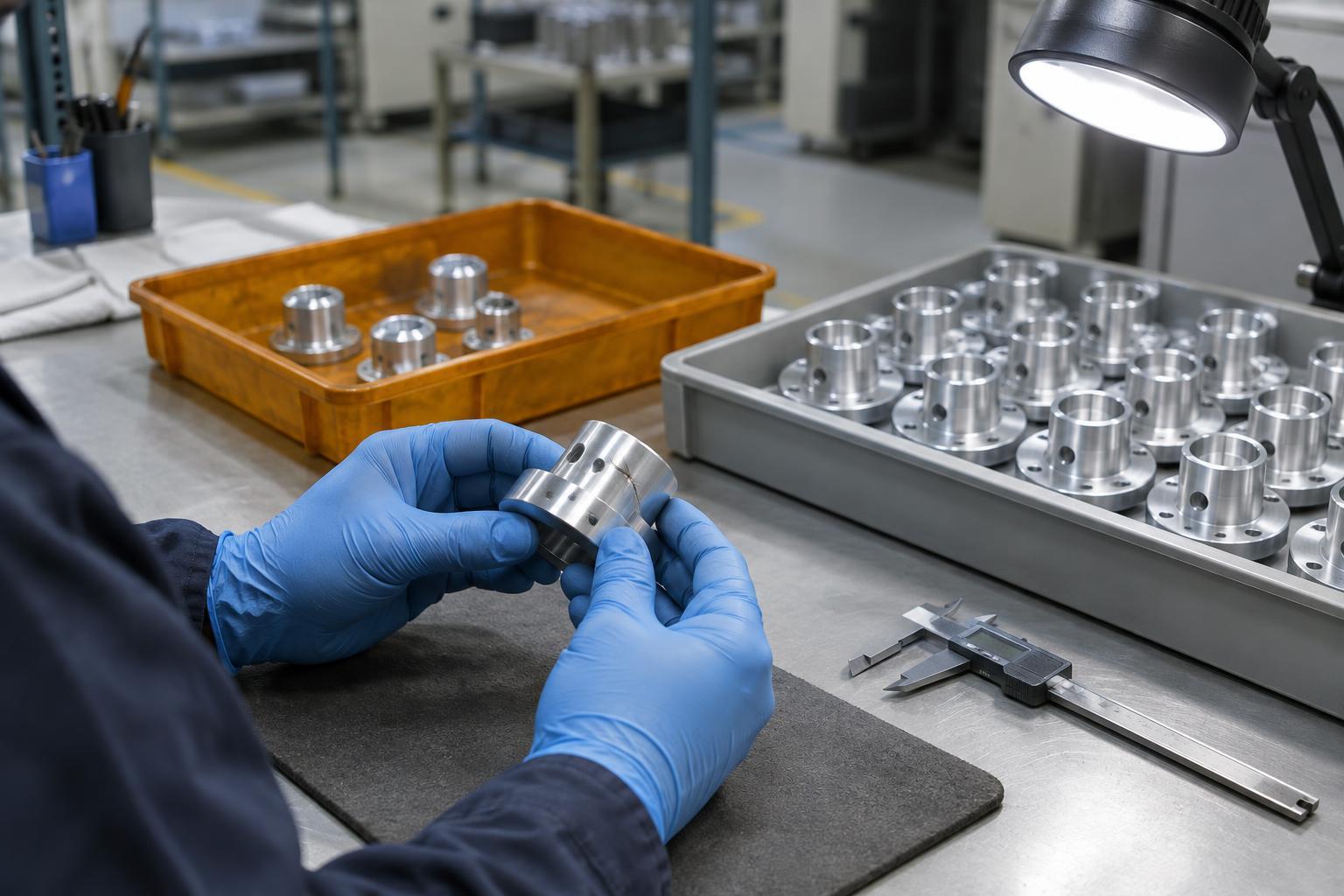
A test result is only useful for traceability if its scope is clear. A record should identify what was tested, which lot or units the sample came from, the test performed, the result and the decision that followed. For example, a test on an incoming plastic resin lot does not by itself show that every finished product passed a final inspection. Those are different checks at different points in the process.
Sample testing needs particular care. If five units from a finished lot are tested, the record should link those five units or their sample group to the lot and state that the result represents a sample, not a test of every unit. A failed result should remain visible even if a later retest passes. Keeping the sequence of results and decisions helps a reviewer understand whether products were held, reworked, retested or released.
It also helps to record the applicable product revision and test method version. A pass against one specification may not answer a question about another. The aim is not to collect every possible detail, but to preserve enough context for someone unfamiliar with the run to interpret its records.
Watch the handoffs where links can break
Traceability often becomes difficult at ordinary handoffs. A container may be relabeled, two partial containers may be combined, or leftover material may return to storage. If these actions are not recorded, a later production record might name only the container that was picked, not all the lots inside it. Rework creates a similar challenge: a repaired unit may retain its original lot identity while also needing a record of the new parts and checks involved.
Simple controls can reduce these gaps. Use a consistent format for identifiers, define when a new lot begins, and make it clear who records changes during a run. Labels should remain legible in the environment where they are used. When material is split, combined or returned, record the relationship at the time rather than trying to reconstruct it from memory. A short, usable process followed consistently is more valuable than a detailed form that people cannot complete during production.
Test the system with a practical question
A traceability system can be checked by choosing one finished lot and asking: Which component lots went into it? Which inspections and tests apply? Where are the finished products now? Then choose one component lot and ask which finished lots used it. If either path depends on guesswork, the missing link is an opportunity to improve the process.
The goal is not a perfect story of every movement. It is a reliable, bounded answer when a quality question arises. Clear lot definitions, recorded changes and test results tied to the right products can help a team investigate a problem without assuming that all products are affected or that an untested product has passed.