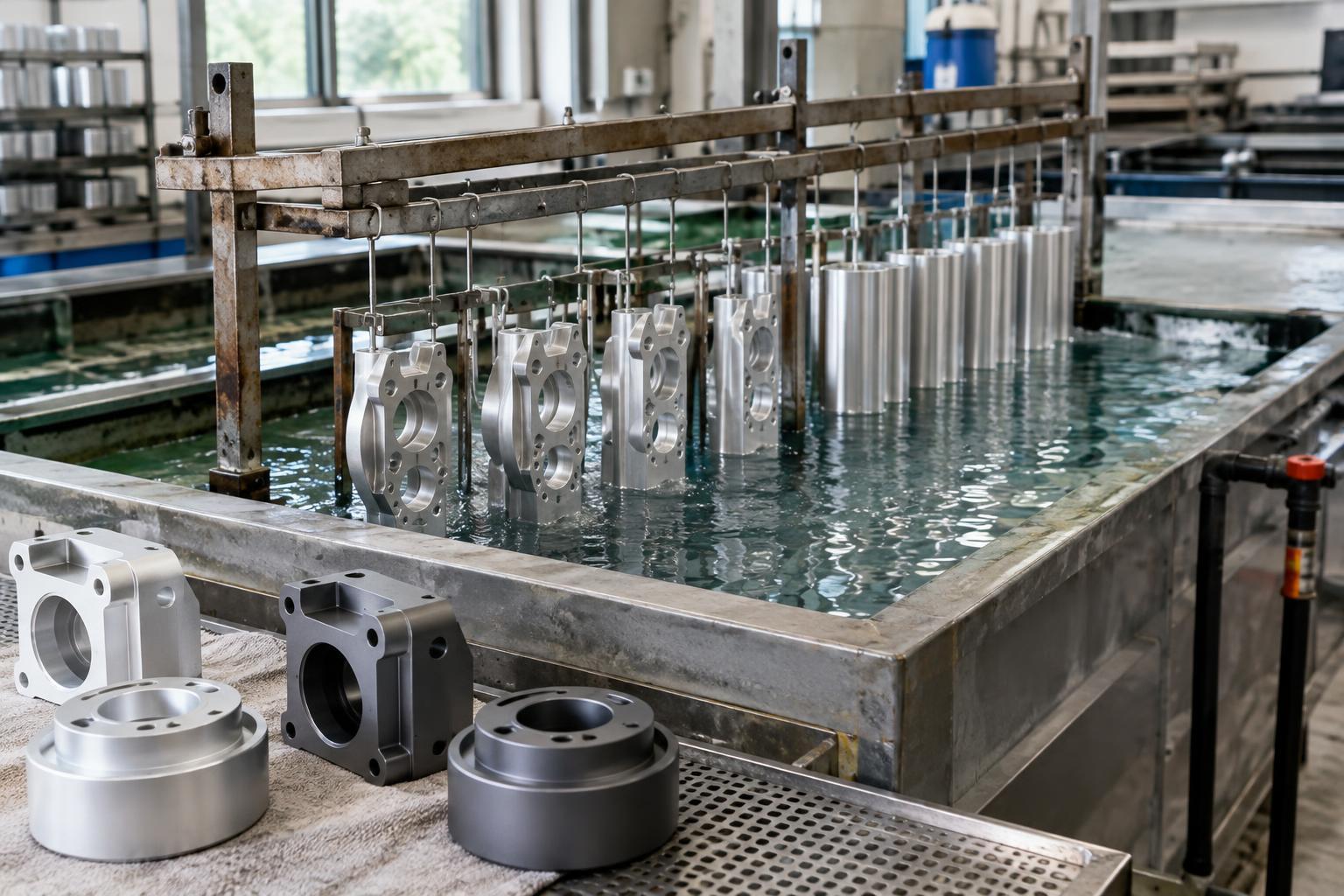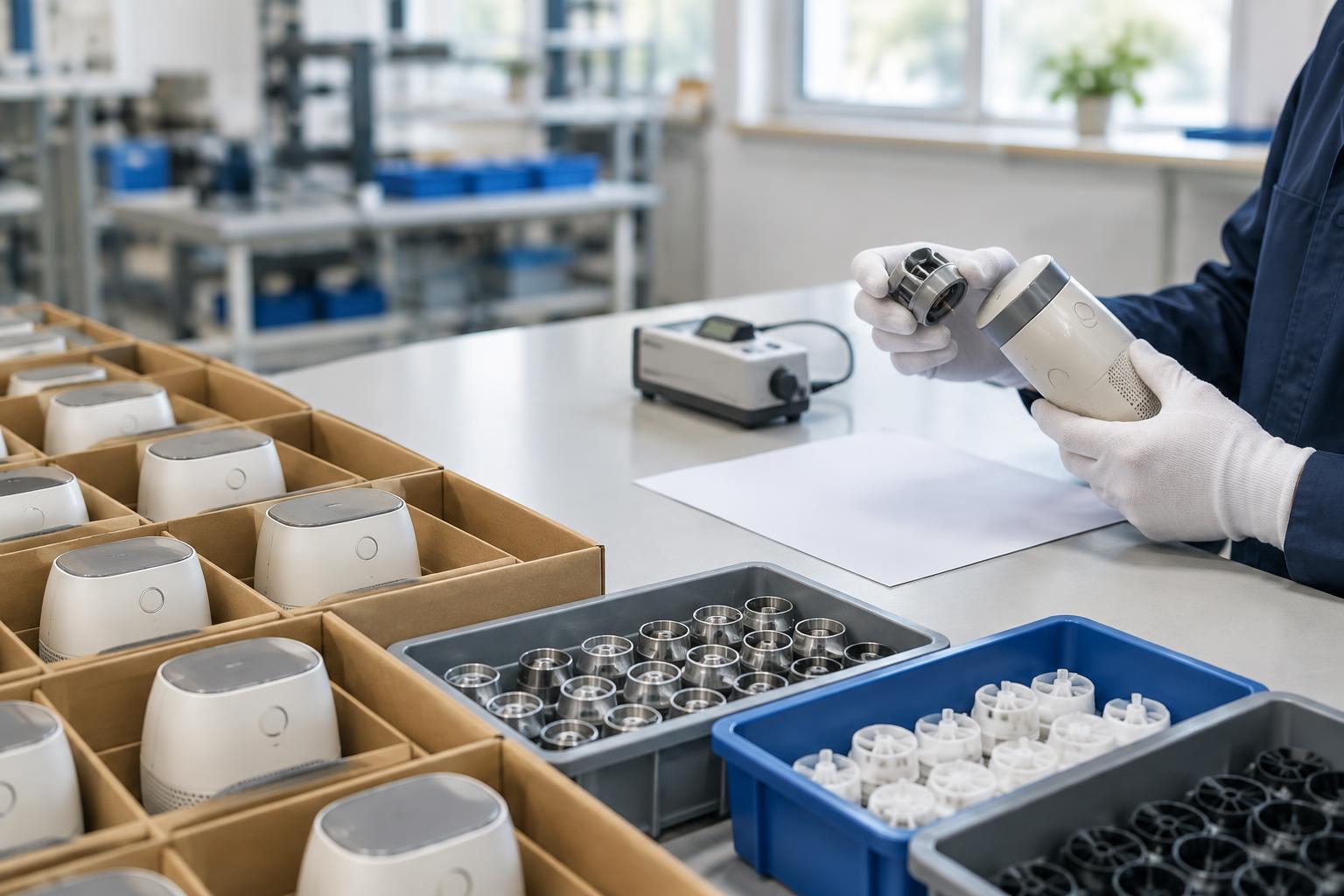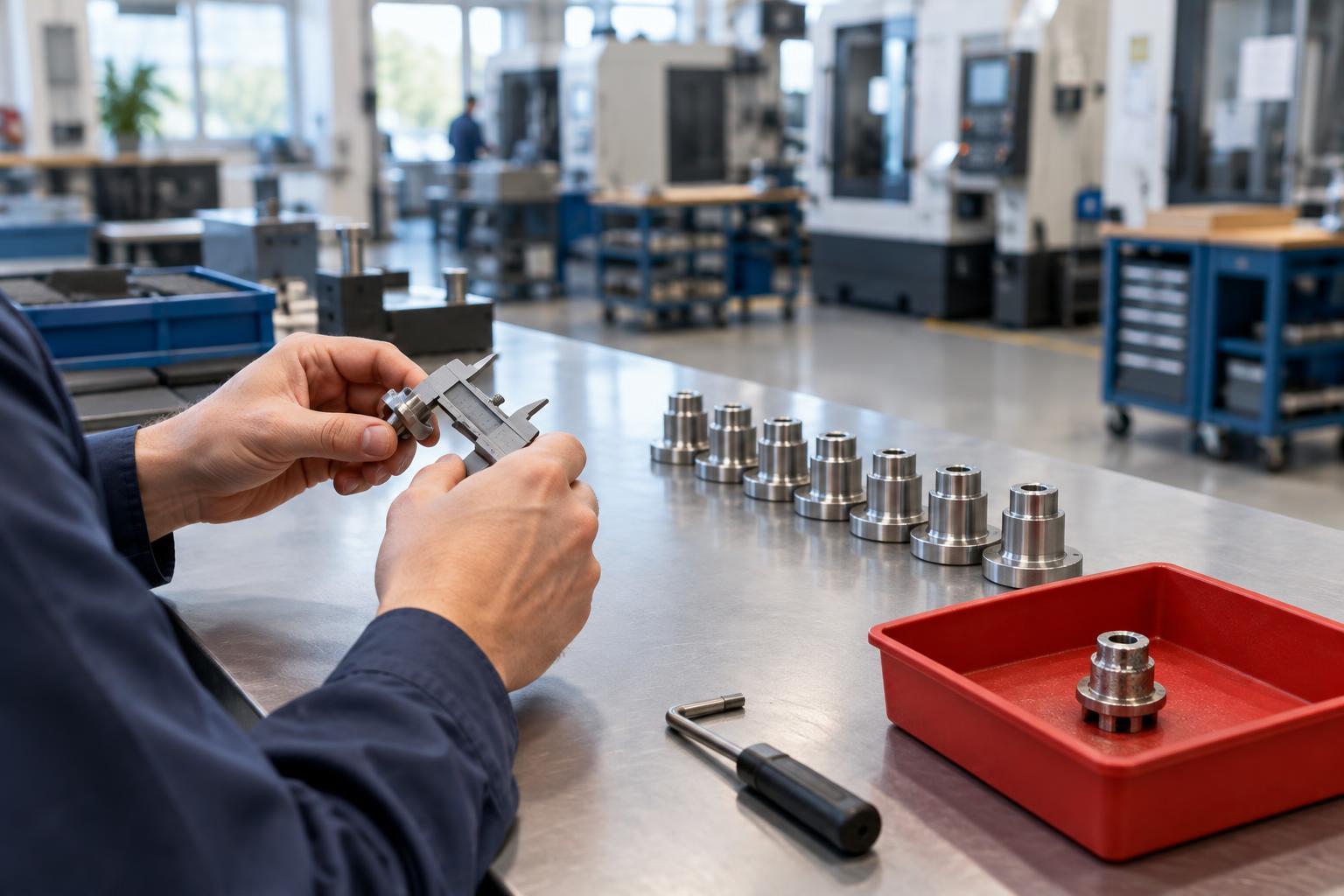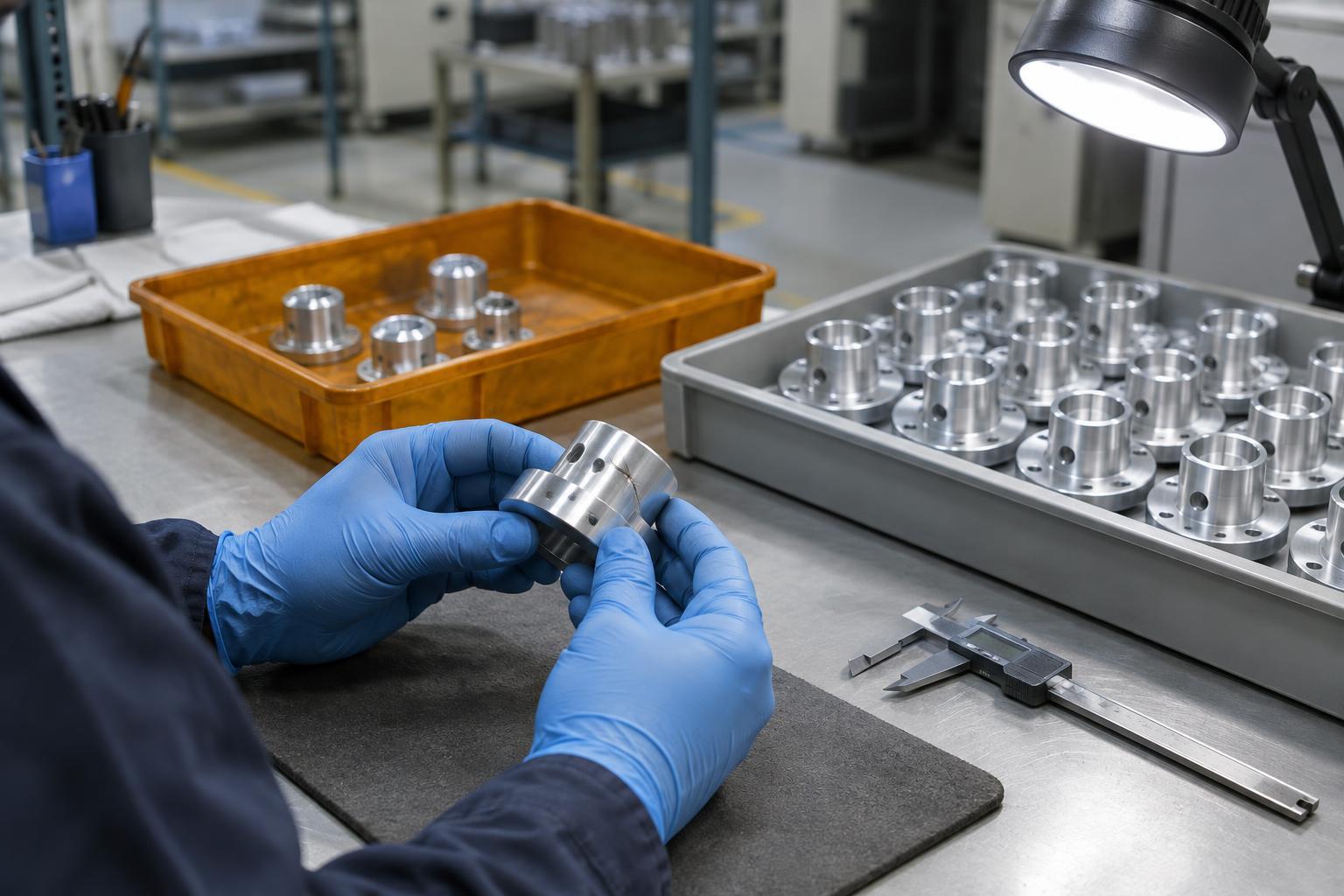
What makes a product nonconforming?
A nonconforming product is an item that does not meet an applicable requirement. The requirement might concern a dimension, appearance, material, function, label or package. The problem may be found during production, at final inspection or after a shipment has left the factory. In each case, the immediate question is the same: how can the affected items be prevented from moving forward as though they passed?
Not every unusual feature is a nonconformity. A visible mark may be acceptable under one product specification and unacceptable under another. Before deciding what to do, the team needs to identify the relevant requirement, describe the observed condition and establish which items could share the problem. A clear description is more useful than a label such as “bad parts”: it gives others something specific to check.
Contain first, then define the affected group
Containment separates suspect products from normal flow while the issue is assessed. A physical hold area, marked containers or a controlled location in an inventory system can help. The method matters less than its reliability: someone picking an item for the next operation should be able to tell that it is on hold and must not be used or shipped.
The hold should cover more than the single item that revealed the problem when other items may have been made under the same conditions. The team might check a production batch, a time window, a machine setup or a shipment awaiting release. It should also consider work in progress and items already placed in finished-goods storage. The aim is to define a defensible boundary, not to assume that everything made before or after the discovery is affected.
Recording the product identifier, quantity, location, observed issue and time of discovery makes containment easier to maintain across shifts. If affected items are split between locations, the record should show where each group is held. Segregation only works if the physical stock and the inventory record tell the same story.
Choose a disposition that fits the requirement
Disposition is the documented decision about what happens to the held items. Common options include rework, repair, acceptance under an approved exception, return to a supplier or scrap. These choices are not interchangeable. Rework brings an item back into conformity with its original requirements, such as by correcting an adjustable dimension. Repair may make an item usable without fully restoring it to the original specification. Acceptance under an exception leaves the nonconformity in place, so it needs an explicit decision by whoever has authority to accept that condition.
The decision depends on the nature of the defect, the intended use and the possibility of introducing new problems. A cosmetic issue on a hidden surface raises different questions from a failed seal or incorrect material. The team should consider whether the proposed action affects function, fit, safety, durability or information supplied to the user. If a decision requires customer approval or another designated sign-off, the product should remain on hold until that approval is obtained.
Scrap is appropriate when an item cannot be made acceptable or when the effort and uncertainty of recovery are not justified. Scrapped items should be clearly identified and controlled so they cannot accidentally return to stock. Returning items to a supplier likewise requires a clear count and identification of what is being returned.
Control rework and verify the result
Rework needs a defined method rather than an informal instruction to “fix it.” The method should state which items qualify, what steps to perform, what materials or tools are needed and which checks follow. If rework changes a feature that was previously inspected, that feature may need to be checked again. Other features may also need attention if the rework could affect them.
After rework, verification should show that the item meets the applicable requirements before its hold status is removed. A passed reinspection is evidence about the item checked; it does not automatically clear every item in the affected group. Records should connect each reworked quantity to the work performed and its result, including items that fail again or are redirected to another disposition.
Close the loop without losing traceability
A useful nonconformity record tells a reader what was found, which items were involved, how they were contained, who authorized the disposition and what verification supported release. It should reconcile quantities: items held should be accounted for as released, reworked, returned, scrapped or still on hold. This prevents a small unexplained balance from becoming a future stock mystery.
Handling the affected products solves the immediate flow problem, but it may not prevent a repeat. When warranted, the team can examine how the issue arose and why it escaped earlier checks. That investigation may lead to a process adjustment, clearer instructions or a changed inspection point. The central habit is simple: identify suspect items, keep them controlled, make a deliberate decision and verify the result before they move on.