What anodizing changes
Aluminum naturally develops a thin oxide layer when exposed to air. Anodizing deliberately grows a thicker, more controlled oxide layer using an electrochemical process. Unlike paint, the resulting layer is formed from the metal’s surface. It can improve resistance to wear and corrosion, provide a base for color, and give a product a consistent-looking finish when the material and preparation are well controlled.
Anodizing is not a way to hide every defect. Scratches, machining marks and differences between aluminum alloys may remain visible or become more noticeable after treatment. A smooth-looking finished part therefore begins with suitable material selection and careful surface preparation, not with the anodizing tank alone.
Preparing the part before treatment
Before anodizing, a part must be cleaned so oils, polishing compounds and other residues do not interfere with the finish. Depending on the desired appearance, preparation may also include mechanical finishing, chemical brightening or an etching step. These choices affect texture: a brushed surface, for example, will generally look different from one prepared for a more uniform matte appearance.
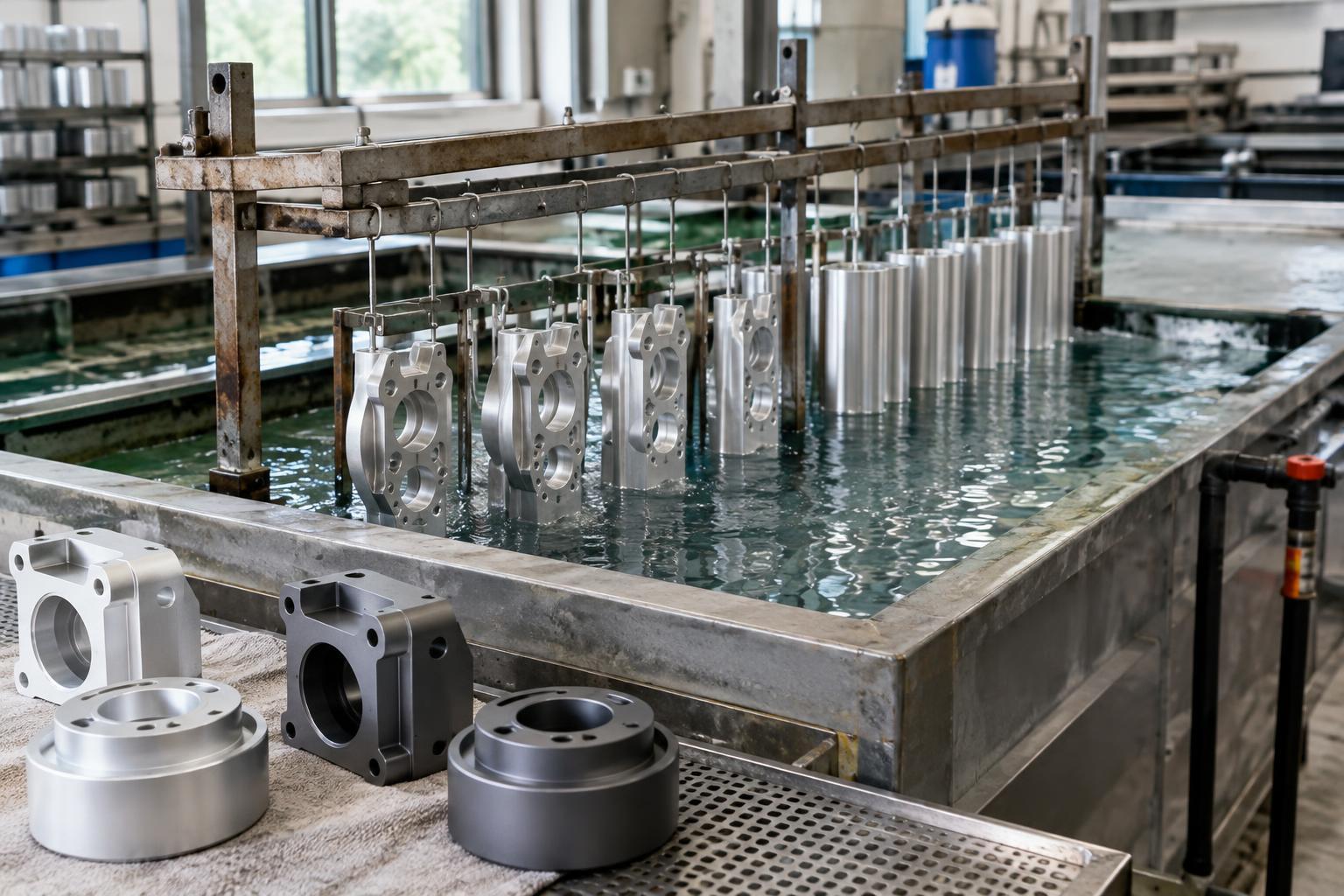
The part also needs an electrical connection during anodizing. A rack or fixture holds it in place and carries current, but the contact point may leave a small area that does not receive the same finish. Designers can plan for that mark by identifying a hidden or less important location. Recesses, tight gaps and trapped air can complicate processing too, so part geometry matters alongside the visible surface.
Growing and optionally coloring the oxide
During anodizing, the aluminum part is connected as the anode in an electrolyte. Electrical current drives the formation of an oxide layer at its surface. The layer grows partly into the metal and partly outward, so anodizing can change dimensions slightly. The amount and nature of that change depend on the process and its specified finish requirements; it should not be ignored on closely fitting parts.
The freshly formed oxide has a porous structure that can accept color before it is sealed. Dyes are one option, while other coloring methods produce different appearances. Color results can vary with alloy, surface texture and process conditions. If several components must match closely, it helps to agree on an acceptable appearance range using representative parts rather than relying only on a color name or a digital image.
Why sealing and inspection matter
Sealing is a finishing step that closes or reduces the accessibility of pores in the anodized layer. It helps protect the treated surface and, when dye is used, helps retain the color. The appropriate sealing approach depends on the finish and its intended service conditions. Skipping or poorly controlling this step can undermine an otherwise satisfactory appearance.
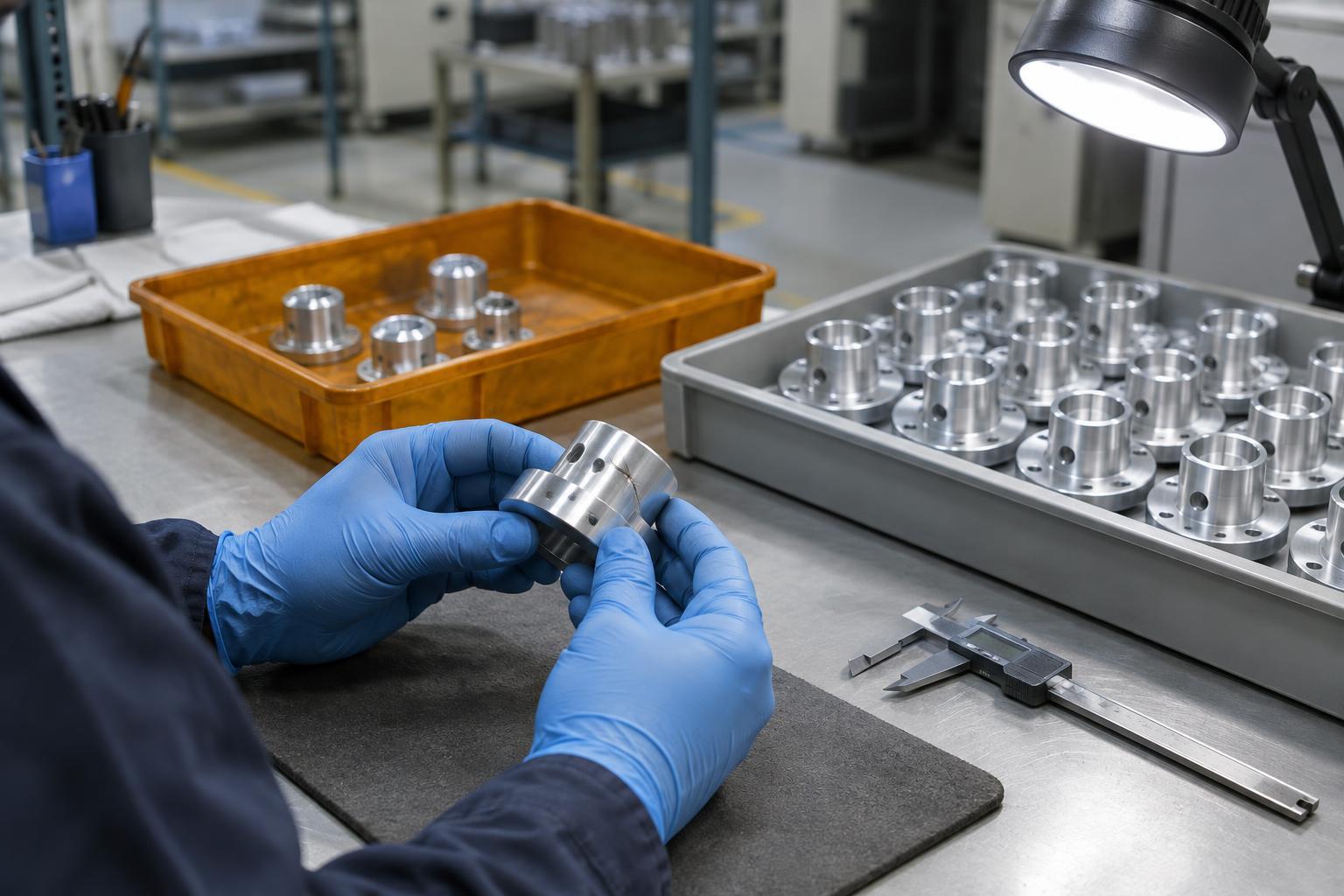
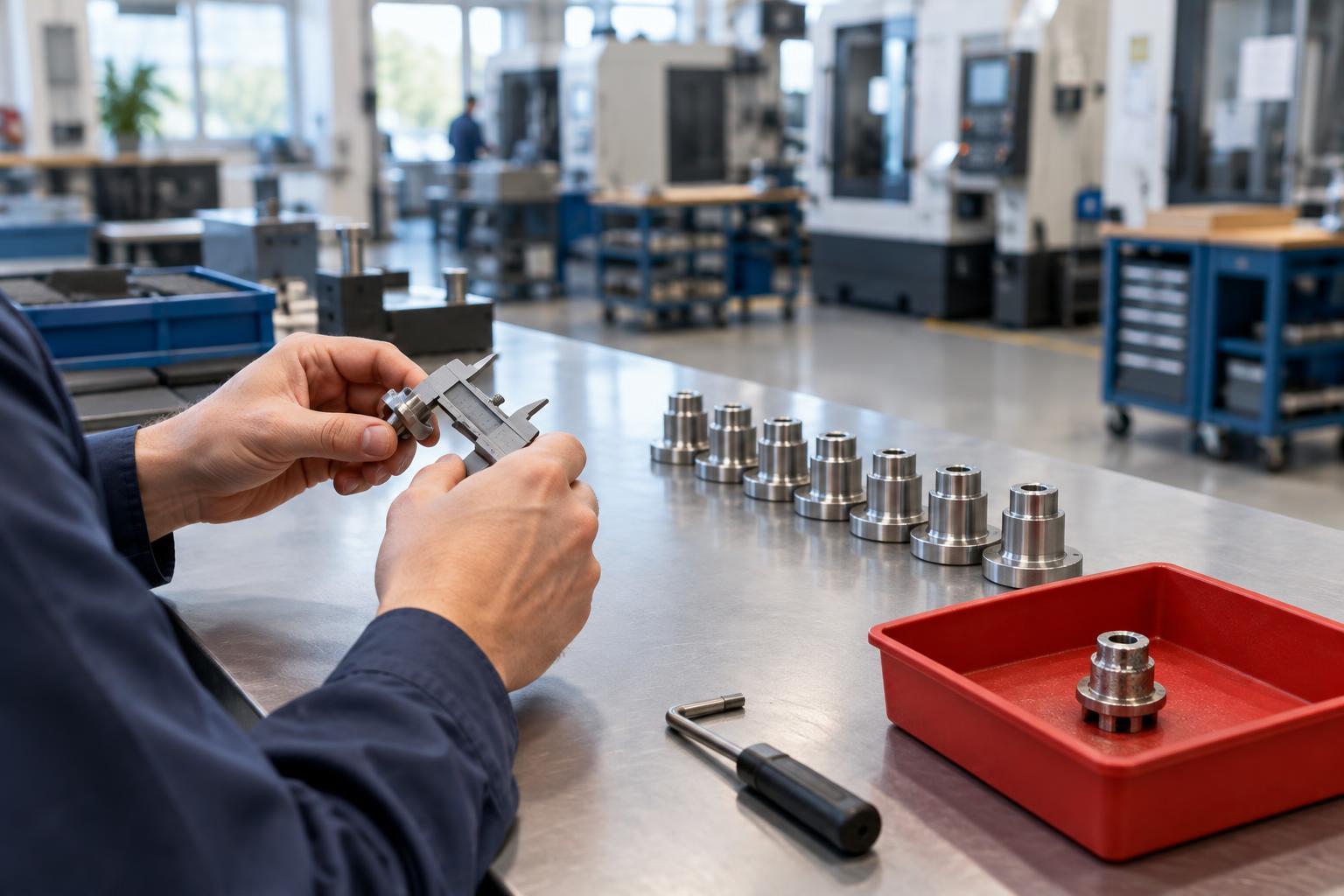
Inspection should reflect what the part needs to do. A decorative housing may call for a clear standard for visible blemishes and color variation. A component with mating surfaces may need dimensional checks after processing. Where coating performance is important, a manufacturer may specify suitable tests rather than judge the result by appearance alone. These requirements are easier to meet when they are agreed upon before parts are made.
Designing with the finish in mind
Anodizing works best when treated as part of the product design, not as a last-minute cosmetic fix. Decide which surfaces are visible, where rack marks are acceptable and which dimensions are critical. Consider whether different parts will be made from the same aluminum alloy and given comparable surface preparation. Sharp changes in geometry and hard-to-reach areas may deserve a discussion with the finishing supplier before the design is finalized.
It is also worth distinguishing ordinary decorative anodizing from processes intended to produce a thicker, more wear-oriented layer. They can serve different purposes and may give different appearances and dimensional effects. A useful specification names the desired finish and its functional priorities—such as appearance, fit or wear resistance—so the people making and finishing the part can plan around the same goal.