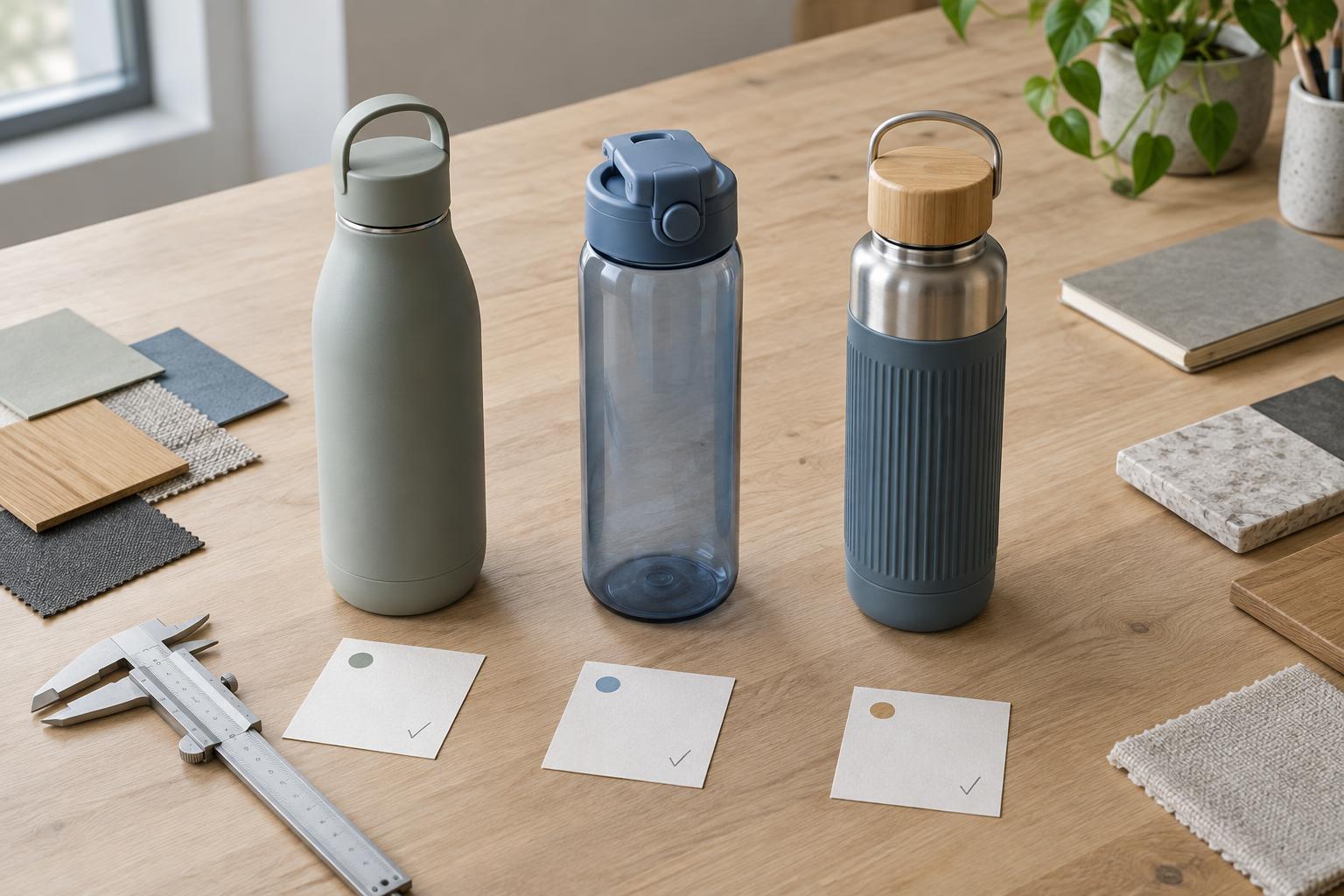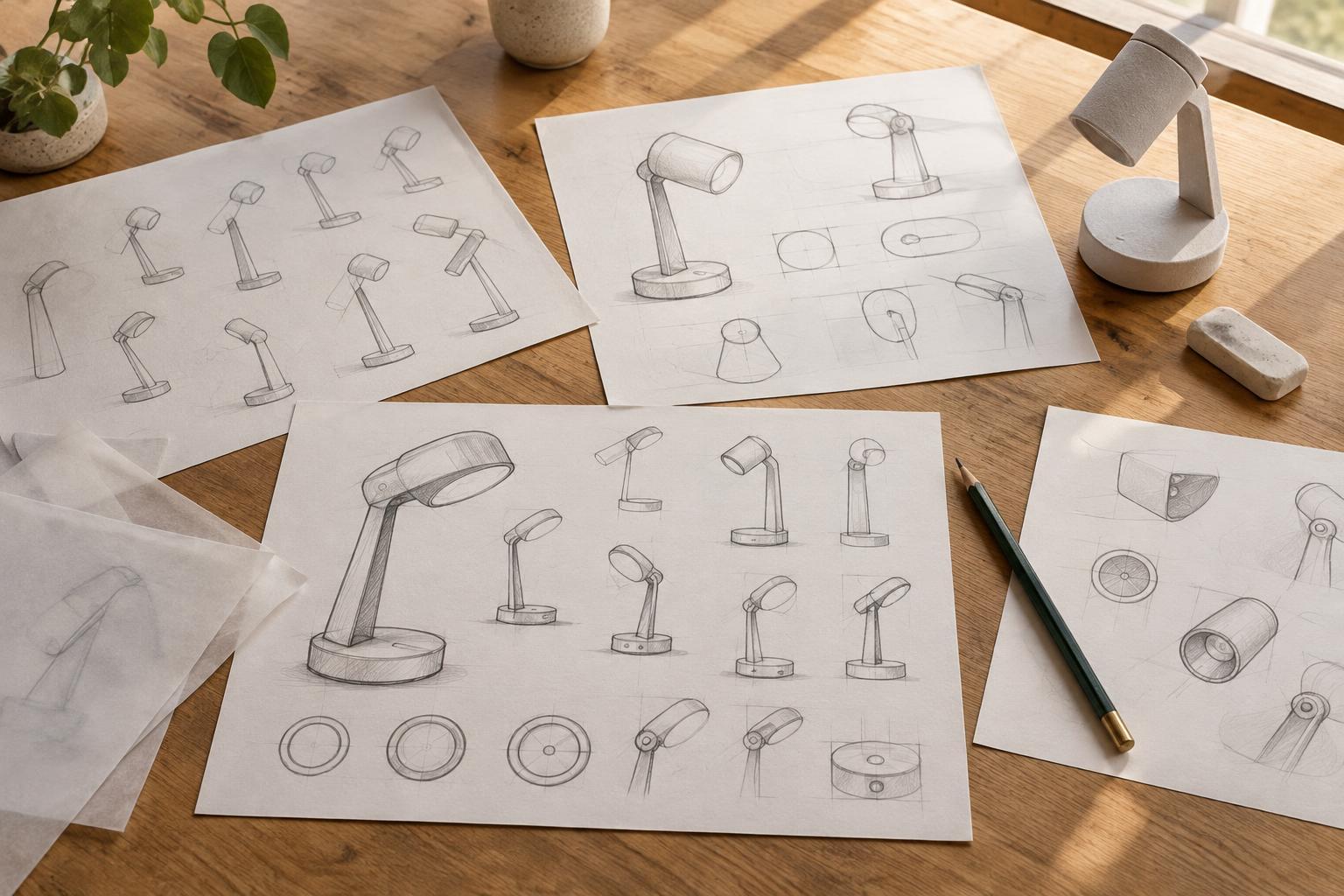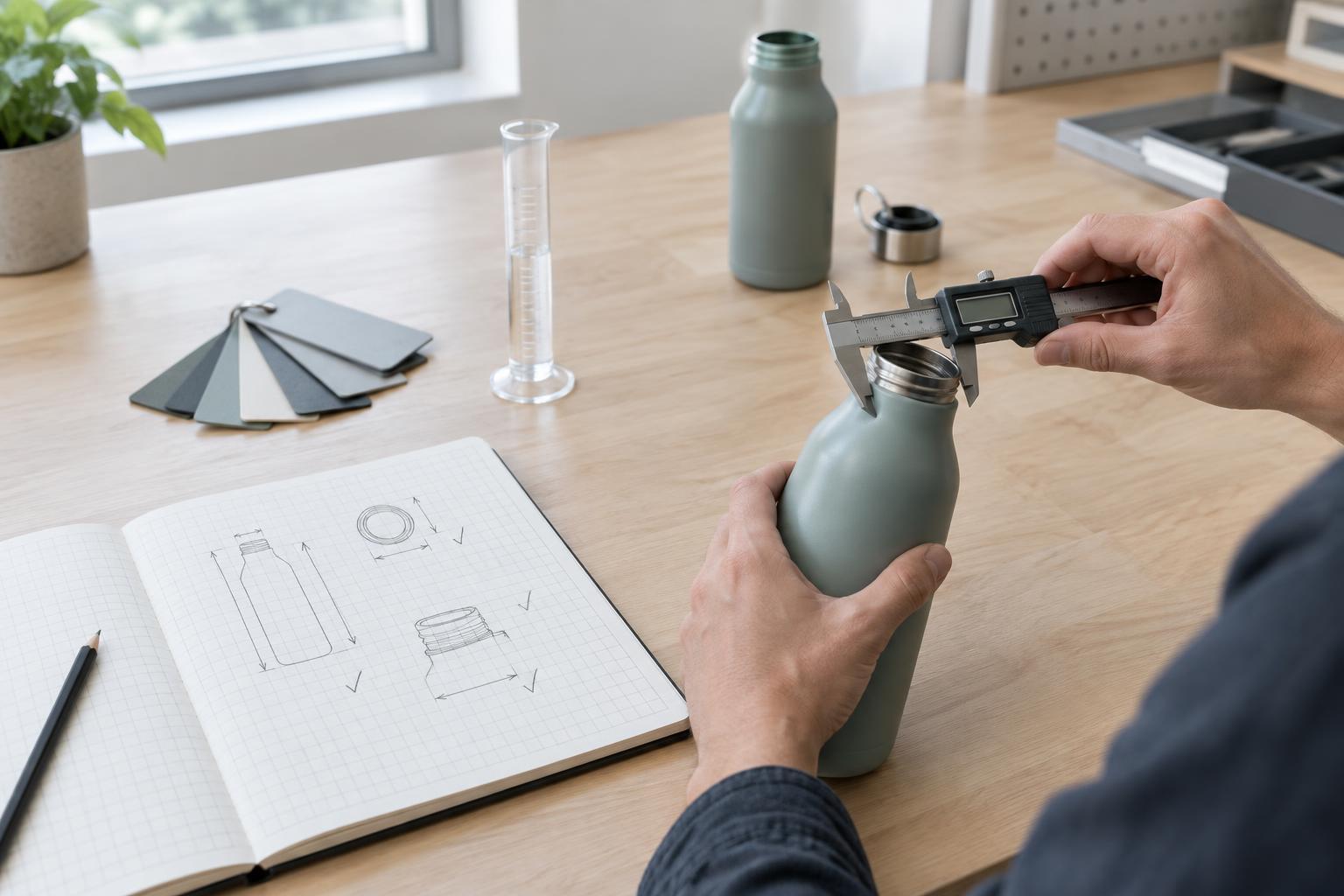
Start with the task, not the product idea
A promising product idea is a starting point, not proof that people need it. Before sketching a solution, describe the task someone is trying to complete. Who does it? Where, how often and under what constraints? A person carrying groceries up stairs, for example, may need a free hand more than a container with a larger capacity. Framing the research around the task helps you discover needs that a list of desired features might miss.
Write down what you believe to be true, then separate assumptions from things you have observed. You might assume a product is hard to grip because it is too small, when its surface is actually slippery or its weight shifts during use. Turn each important assumption into a question you can investigate. Also note the boundaries of the project, such as likely manufacturing methods, cleaning needs or storage space, without treating those boundaries as reasons to dismiss user problems too early.
Talk to people about real experiences
Speak with people who perform the task, including those who use existing products differently from the way their makers intended. Aim for a range of circumstances rather than only the easiest users to reach. For a kitchen tool, that might mean speaking with occasional cooks, frequent cooks and people working in cramped kitchens. Explain the purpose of the conversation, ask permission before recording or photographing anything, and avoid collecting personal details you do not need.
Ask about specific recent experiences: “Walk me through the last time you used it” is usually more revealing than “Would you buy a better one?” Follow up on what the person did, what they tried when something went wrong and why a workaround seemed worthwhile. Avoid suggesting your proposed solution in the question. People may be polite about an idea they would not choose in practice, while a detailed account of an actual task gives you more to examine.
Observe the product in context
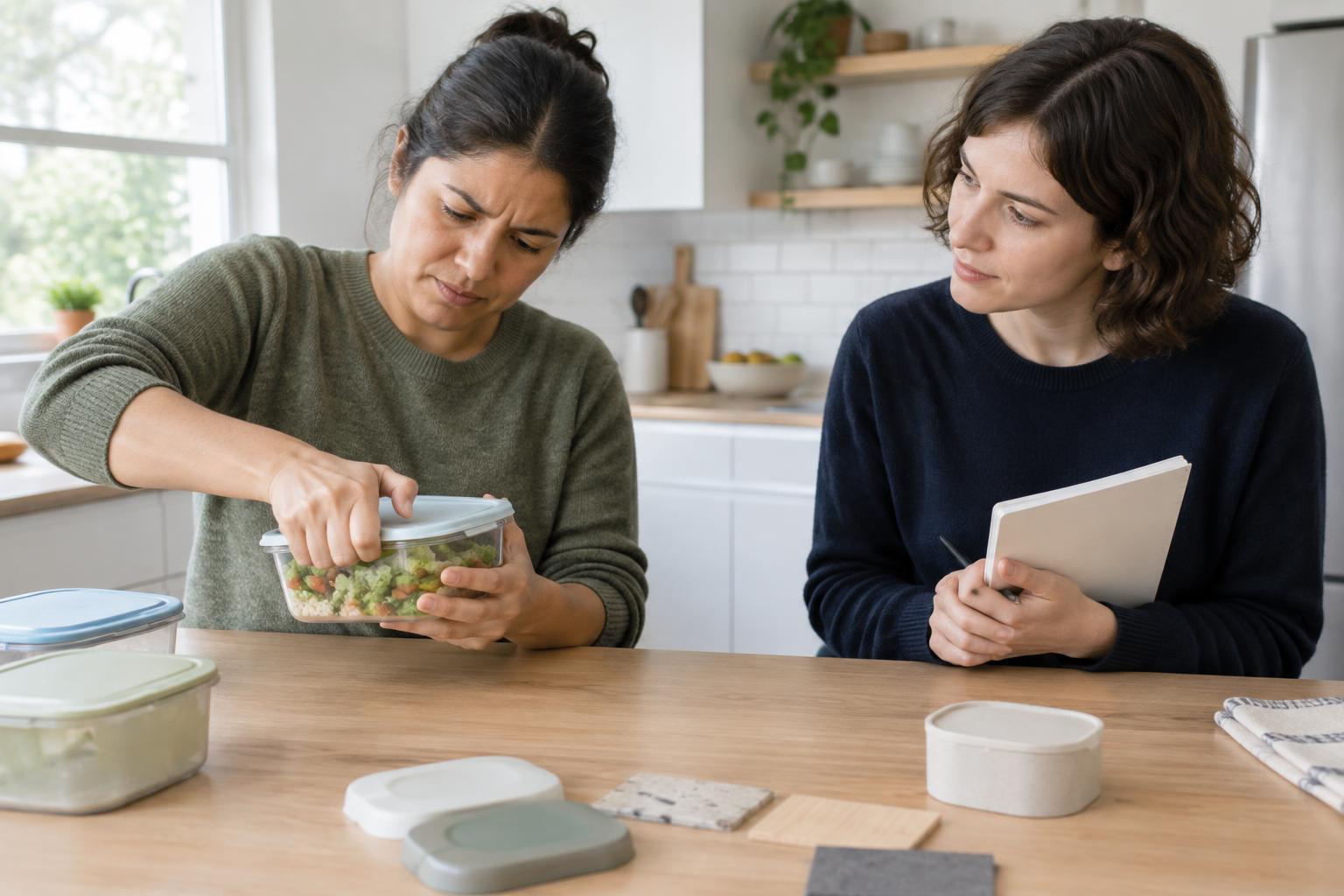
Interviews reveal what people remember and consider important; observation can reveal steps that have become automatic. When appropriate, watch someone complete the task in a setting that resembles normal use. Notice where the product is kept, how it is picked up, which hand is available, what must be cleaned afterward and whether instructions or packaging get in the way. Ask people to explain their actions without treating an unexpected method as a mistake.
Look beyond the moment of primary use. A physical product must often be carried, opened, assembled, maintained, stored and eventually repaired or discarded. Each stage can create a need. A lid that seals well but requires two hands to remove, for instance, may solve one problem while creating another. Make brief notes that distinguish what you saw from your interpretation: “User braced the container against the counter” is an observation; “the lid is too tight” is a possible explanation to check.
Turn findings into design requirements
After several conversations or observations, group notes by the difficulty people faced and the outcome they wanted. Record how often a pattern appeared in your small sample, but do not treat that count as a population statistic. Pay particular attention to differences between users: a feature that helps one person may obstruct another. If findings conflict, identify the circumstances behind the conflict instead of averaging them into a vague preference.
Write requirements in terms of outcomes before prescribing features. “Can be opened while the other hand is occupied” leaves room to explore several mechanisms; “must have a push button” commits to one. Include requirements beyond the immediate interaction, such as surfaces that are practical to clean, parts that can be assembled consistently and packaging that protects the product without making first use frustrating. Rank requirements by the seriousness of the problem, the number of relevant situations and the project’s practical constraints. Keep a record of which observations support each priority.
Test the understanding before refining the form
Early research does not need to produce a perfect specification. Its job is to guide the next decision. Use rough models, borrowed objects or simple mock-ups to let people try alternative approaches to the task. Watch what they do before asking which version they prefer. A cardboard model may be enough to explore reach or storage, while a grip question may require a model with more realistic size, weight and surface feel.
Revisit users as the concept becomes more concrete. A design that works in a short demonstration may behave differently when someone is distracted, wearing gloves or putting it away after use. Treat surprising results as a reason to revise your understanding, not merely to adjust the prototype. By carrying observations forward into requirements and tests, you give decisions about shape, materials and mechanisms a clearer purpose.